Conveyor Rollers & Idlers, Made in Series
Carrying, return, impact and guide rollers for bulk handling and unit conveyors. Batches to your drawing, plus special and heavy rollers standard suppliers do not stock.
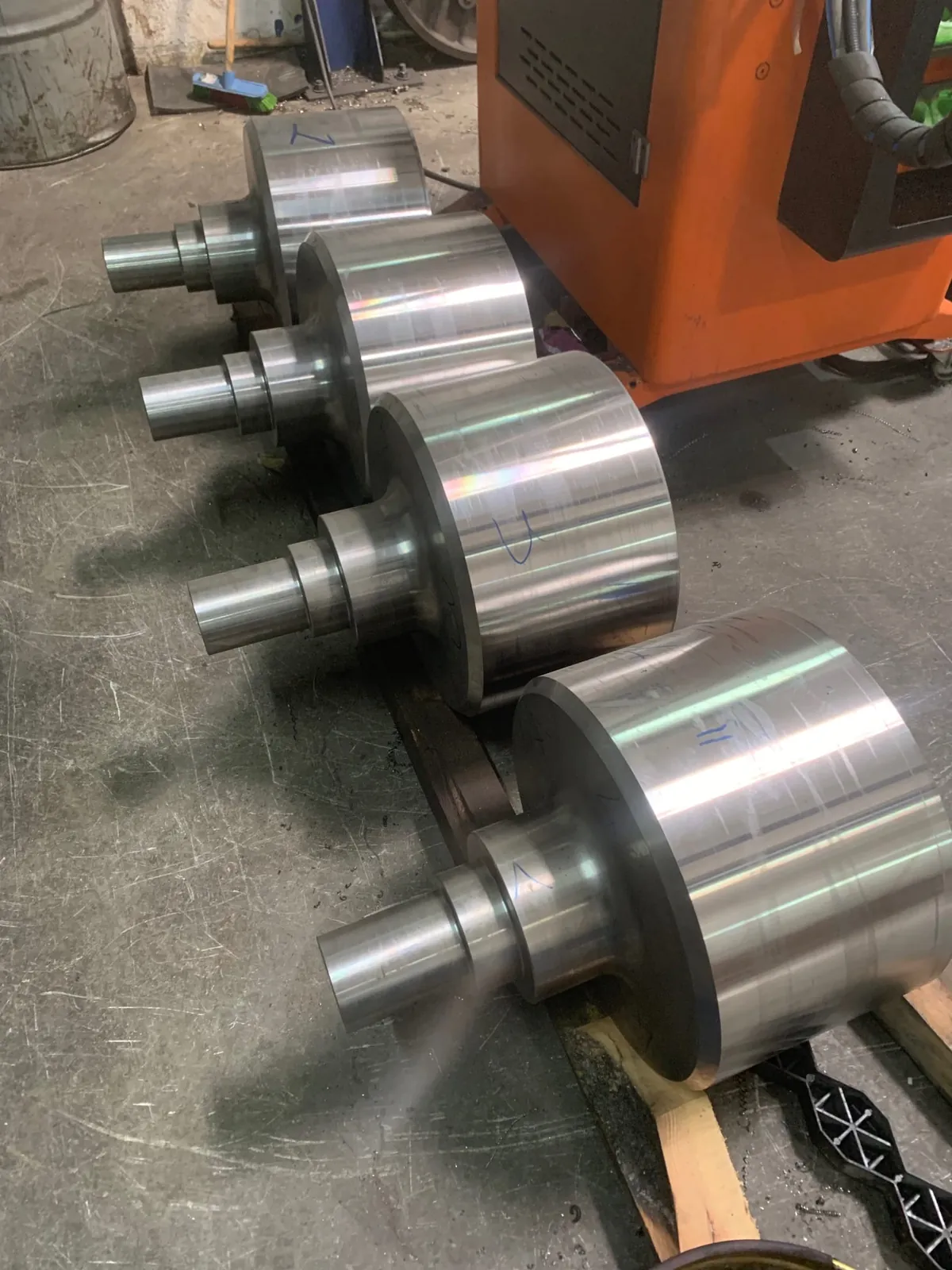
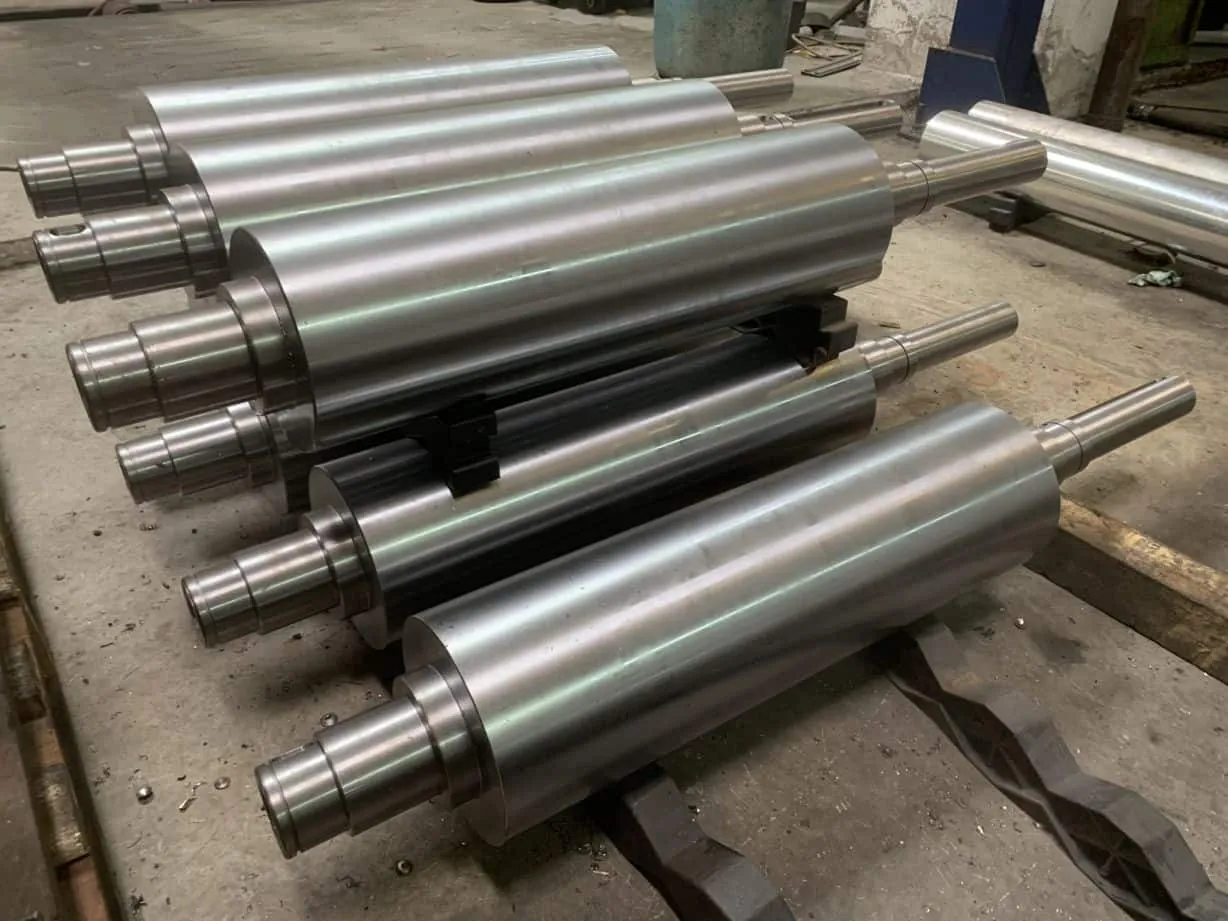
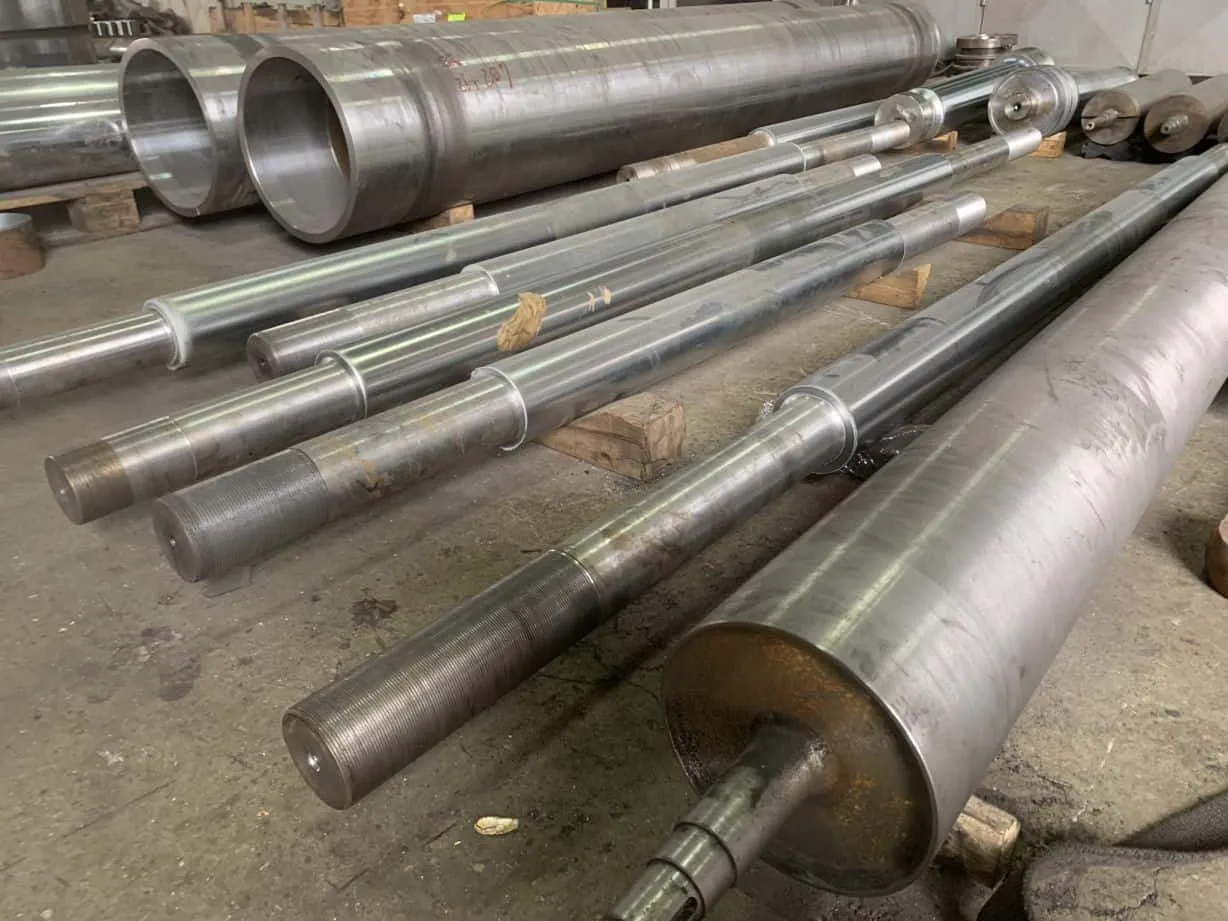
Rollers, Shafts and Housings in Series
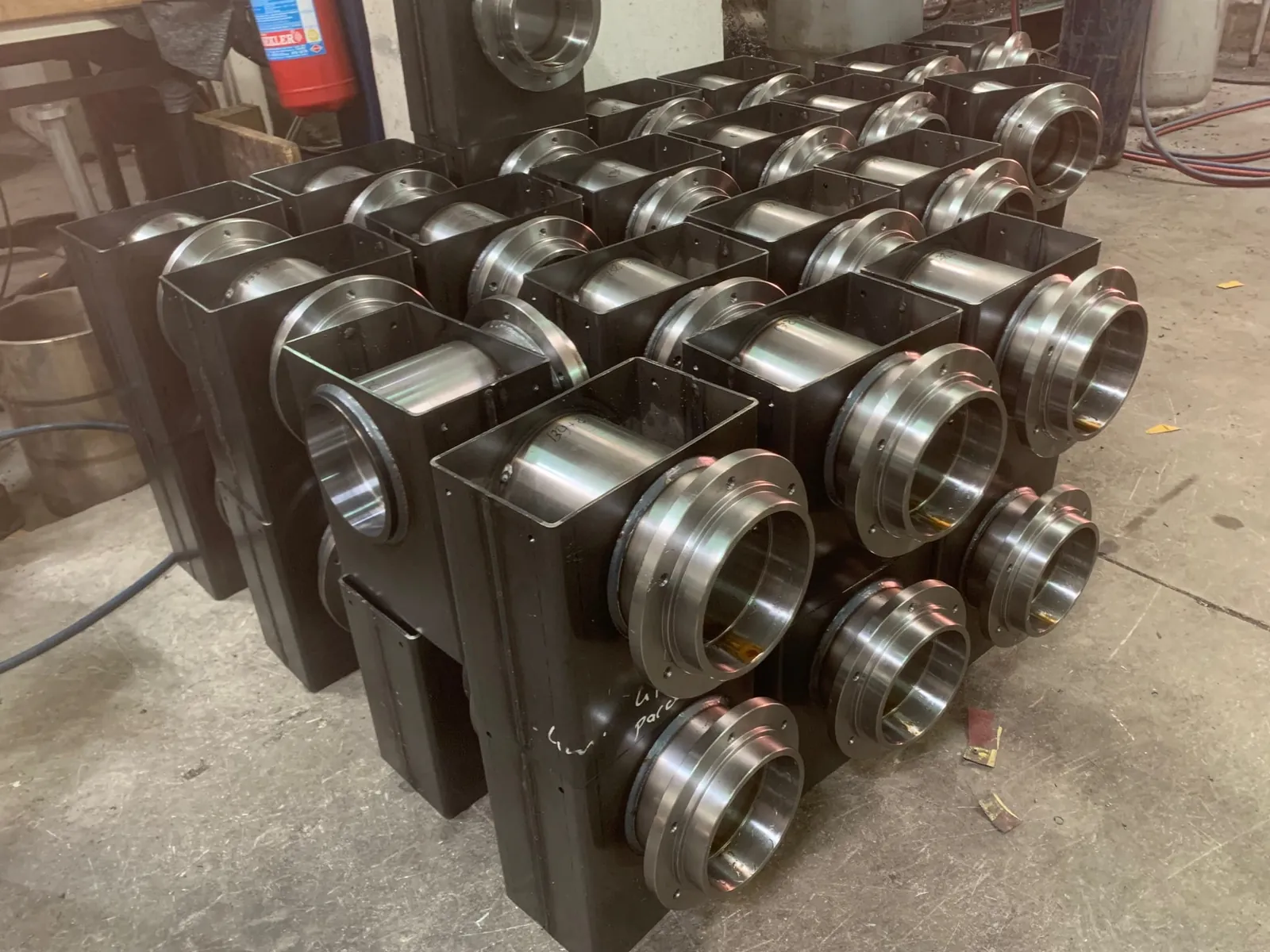
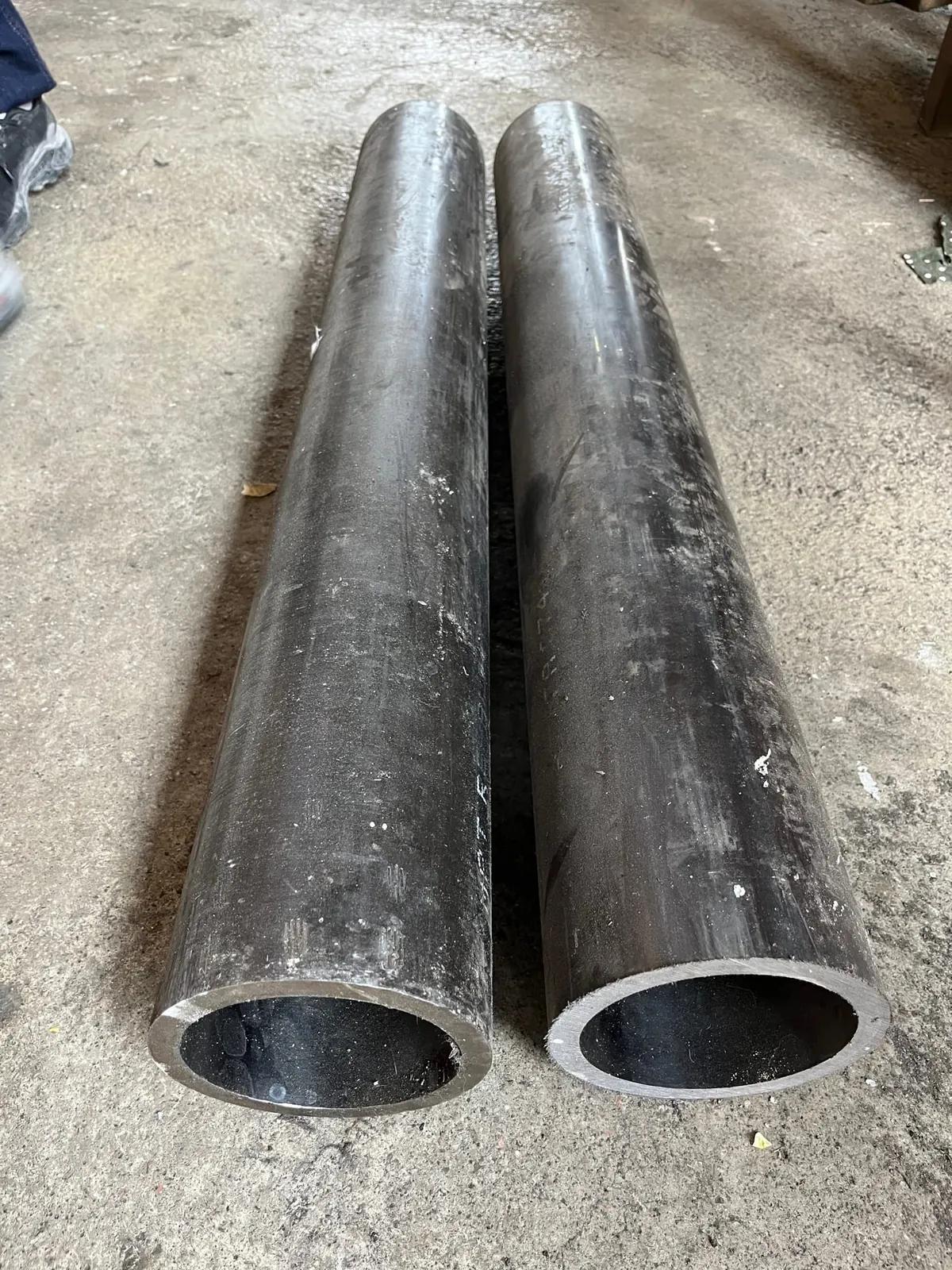
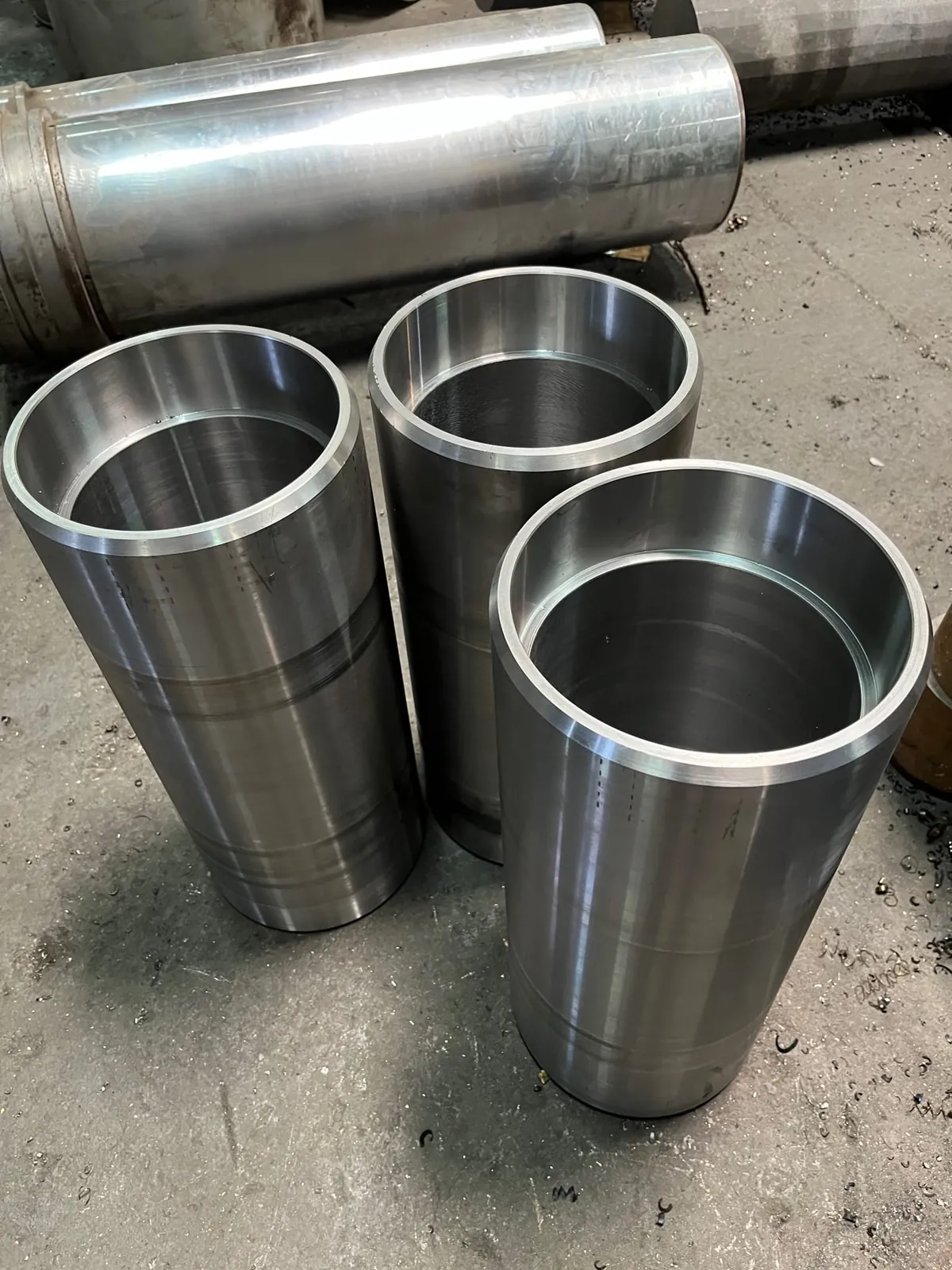
Conveyor Rollers for Every Position on the Belt
Carrying rollers
Support the loaded belt in troughing sets, the bulk of every belt conveyor.
Return rollers
Support the empty return belt, plain or with rubber discs to shed material.
Impact rollers
Rubber-ring rollers under loading points that absorb the shock of falling material.
Guide & training rollers
Keep the belt centred and correct mistracking.
Stainless rollers
Stainless steel rollers for food, chemical and wet environments.
Special & heavy rollers
Large-diameter, long or heavy-duty rollers outside standard catalogues.
Learn more →What Makes a Conveyor Roller Last
A conveyor roller fails when its bearings fail, and bearings fail when dirt and water get in or when the roller does not run true. We build against both causes.
- Precision steel tube shells, cut and faced square
- Bearing housings machined in series on CNC lathes, for tight, repeatable bearing fits
- Shafts turned to tolerance, with flats, grooves or threads to your design
- Sealing to your specification, for dusty or wet conditions
- Rollers checked for runout and free rotation before packing
For repeat orders, the drawing and process are frozen, so every batch matches the last.
Send a roller drawingConveyor Roller Options
We build to your drawing or to the dimensions of your existing rollers. Tell us the roller type, tube diameter, length, shaft and bearing, and the quantity per batch.
| Roller types | Carrying, return, impact, guide, special |
|---|---|
| Materials | Carbon steel, stainless steel |
| Surface | Painted, galvanized, rubber-covered, polyurethane-coated |
| Machining | CNC-turned bearing housings and shafts |
| Quantities | From spares to repeat series batches |
| Large rollers | Up to Ø3,200 mm × 6,000 mm, 12 t |
| Documents | Dimensional report, EN 10204 3.1 |
Questions About Conveyor Rollers
Which conveyor rollers do you make?
Carrying, return, impact, guide and training rollers, stainless rollers and special or heavy rollers, to your drawing or to the dimensions of your existing rollers.
Can you make rollers in series?
Yes. We produce conveyor rollers in repeat batches on CNC turning centres, with a frozen drawing and process so every batch matches.
Do you make stainless steel conveyor rollers?
Yes, for food, chemical and wet environments.
Can you match the rollers of another supplier?
Yes. Send the drawing or a sample roller with its dimensions, and we build a matching roller.
Do you also supply idler frames?
Yes. We make troughing and return idler sets and complete conveyor stations.
Conveyor Rollers and Idlers From Türkiye
On a typical belt conveyor, idler rollers are the most numerous component, often hundreds per conveyor. They are also the part replaced most often. Buying them in series from a manufacturer that machines its own bearing housings and shafts gives you consistent quality at a competitive price, and a supplier that can also make the special rollers your conveyor needs.
Series production and spares
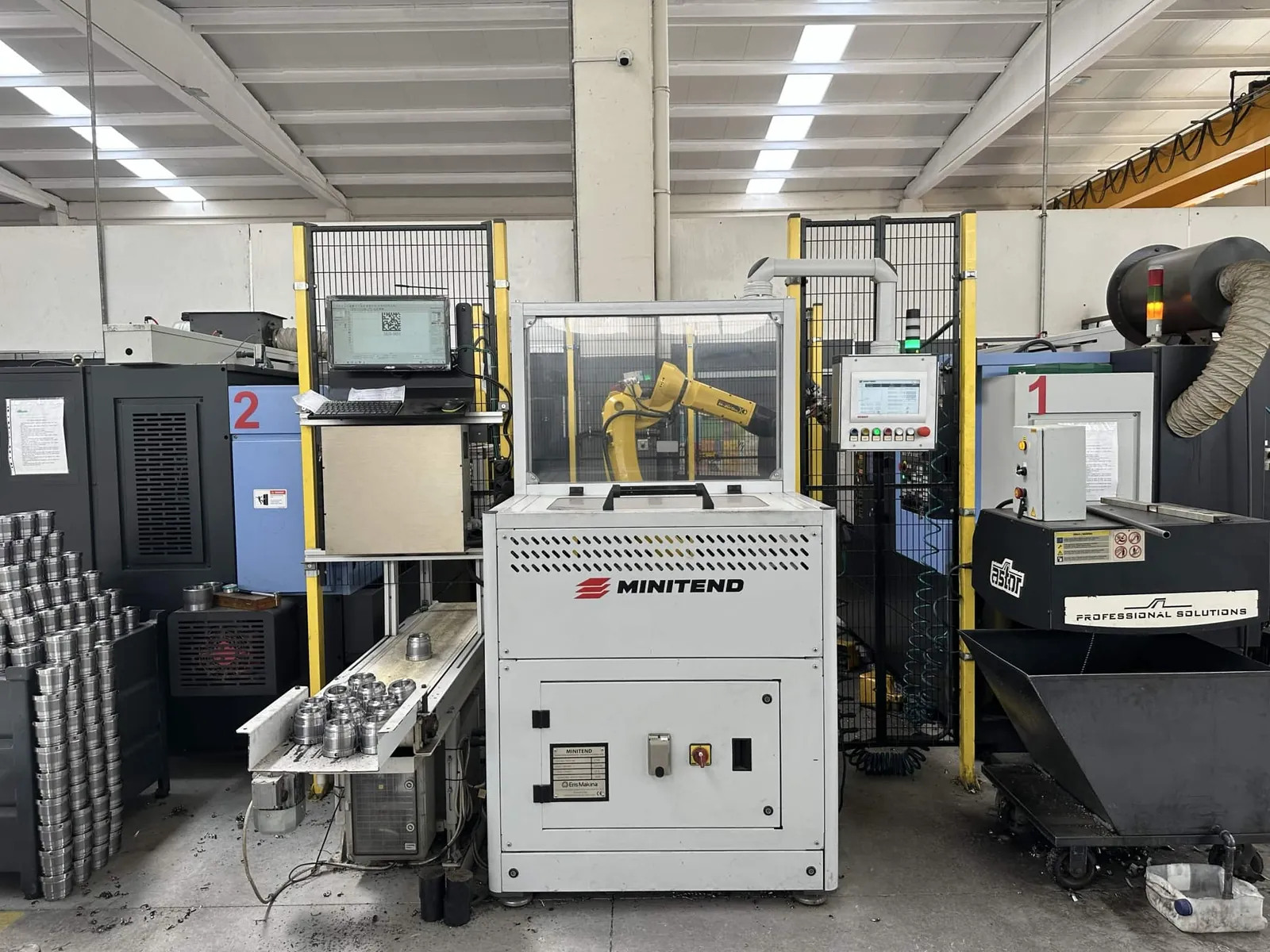
We produce conveyor rollers in batches on CNC turning centres, including a robot-loaded cell, so bearing housings and shafts come out identical from roller to roller. That consistency is what keeps a roller running quietly for years. For maintenance teams, we also make small batches of spare rollers to the dimensions of existing ones.
Complete conveyor supply
Rollers go into conveyor stations and idler frames, and the belt turns on drums and pulleys. Ordering all three from one supplier keeps dimensions and interfaces consistent. For heavy or oversized rollers, see large diameter rollers; for coated rollers, rubber and PU coated rollers.
Send your roller drawing or sample dimensions through the contact page for a quote.
Choosing roller diameter and length
Idler diameter is chosen by belt width, belt speed and load. Larger diameters turn slower at the same belt speed, which reduces bearing speed and wear, and spread the belt load over a larger contact area. Roller length follows from the belt width and the troughing arrangement: in a three-roll troughing set, the centre roller and the two wing rollers are usually the same length. When replacing existing idlers, the safest reference is the old roller: tube diameter, overall length, shaft diameter and the shape of the shaft ends where they sit in the frame.
Bearings and sealing
Most idler failures are bearing failures caused by contamination. Dust, fines and water work their way past poor seals into the bearing, the grease breaks down and the roller seizes. A seized idler then wears a flat into its shell and can damage the belt. That is why the bearing housing, the bearing fit and the seal arrangement matter more than any other detail of a conveyor roller. We machine bearing housings in series on CNC lathes for consistent fits, and build the seal arrangement your application calls for.
Spares that fit first time
Maintenance teams often stock idlers from several suppliers, with slightly different shaft ends, lengths or bearings. When you order spares from us, tell us which existing rollers they must replace, and we match those dimensions exactly, then keep the drawing on file for the next order.