Rubber & Ceramic Lagged Conveyor Drums
Lagged drive, head, bend and snub pulleys for more belt grip, less slip and longer drum life. New lagged drums up to Ø3,200 mm, and relagging of your worn pulleys.
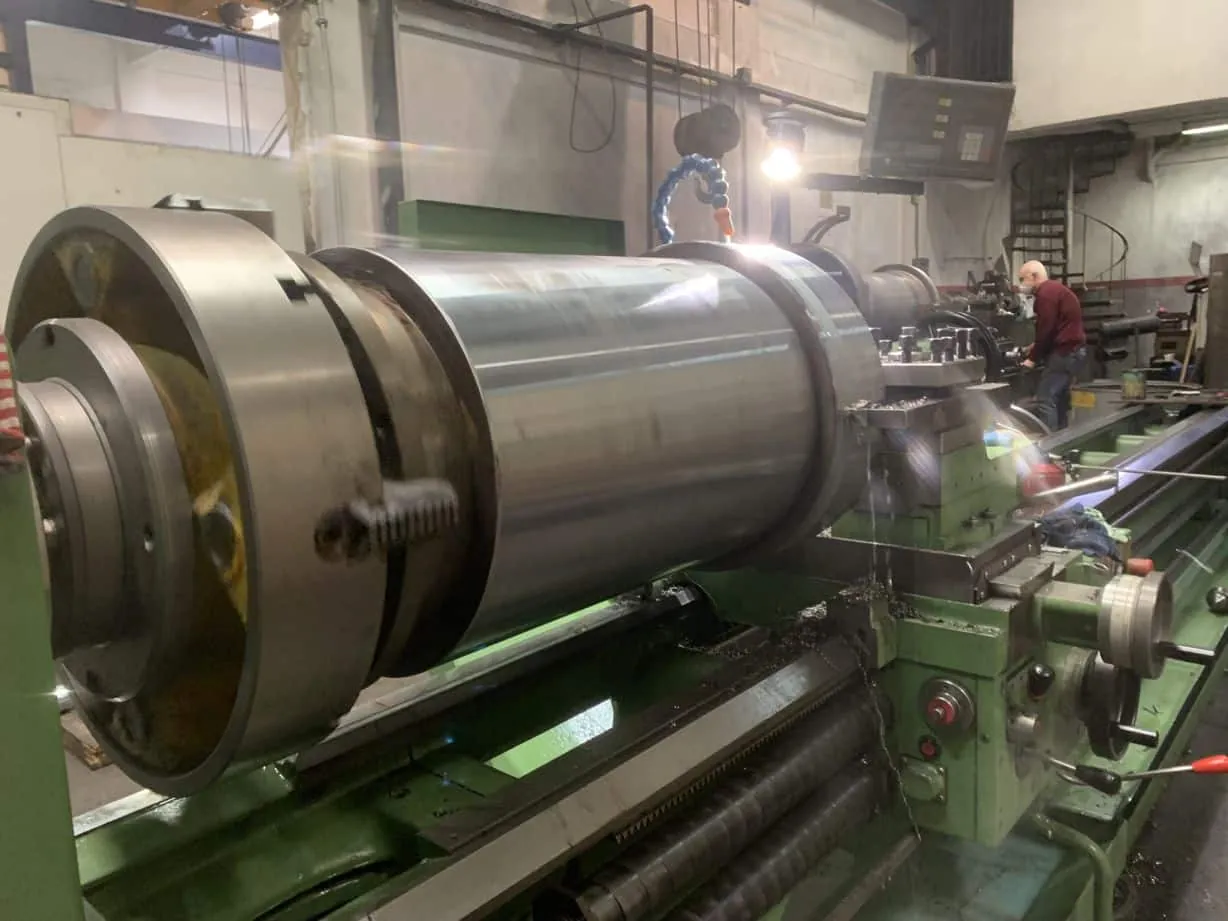
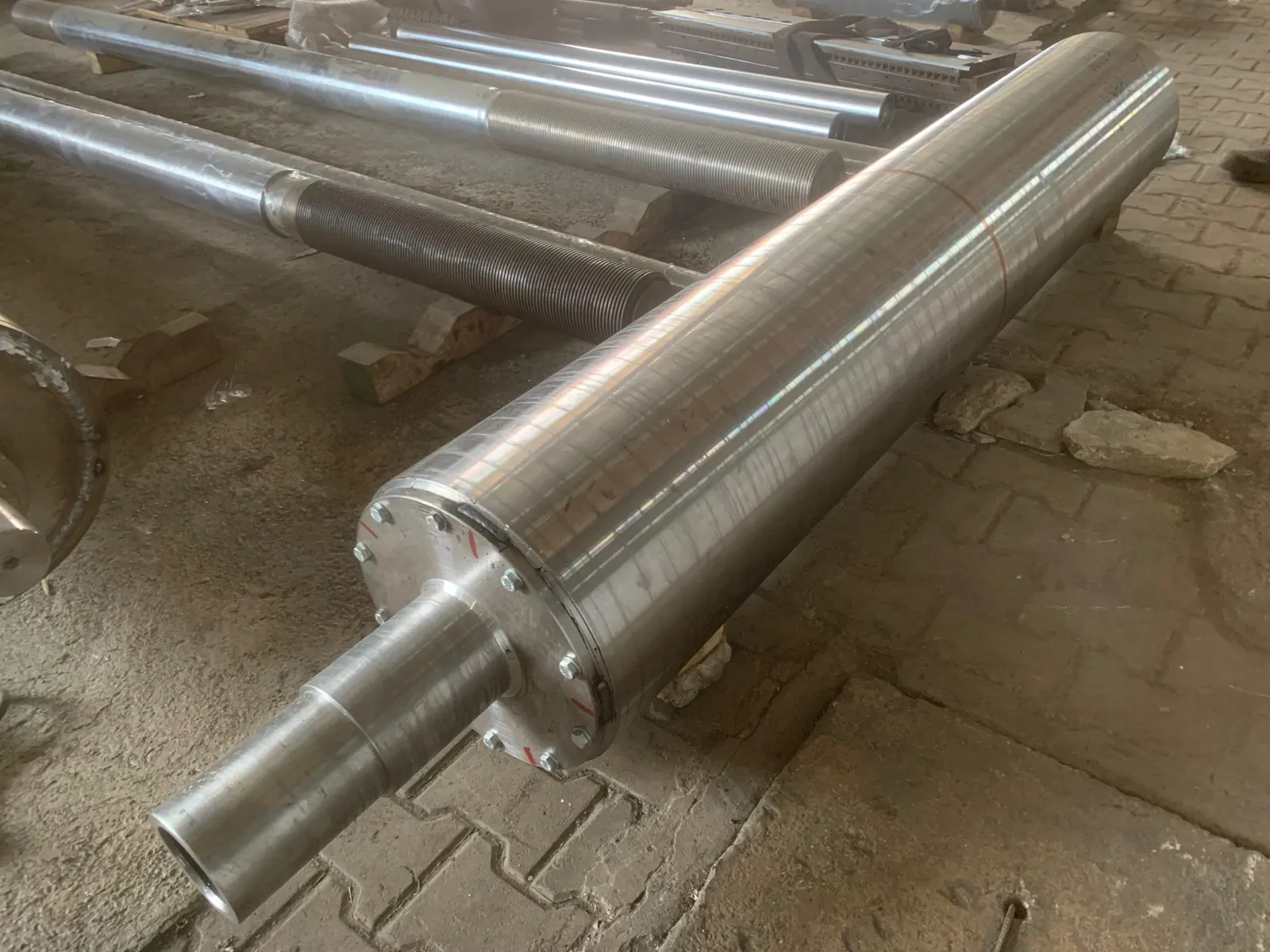
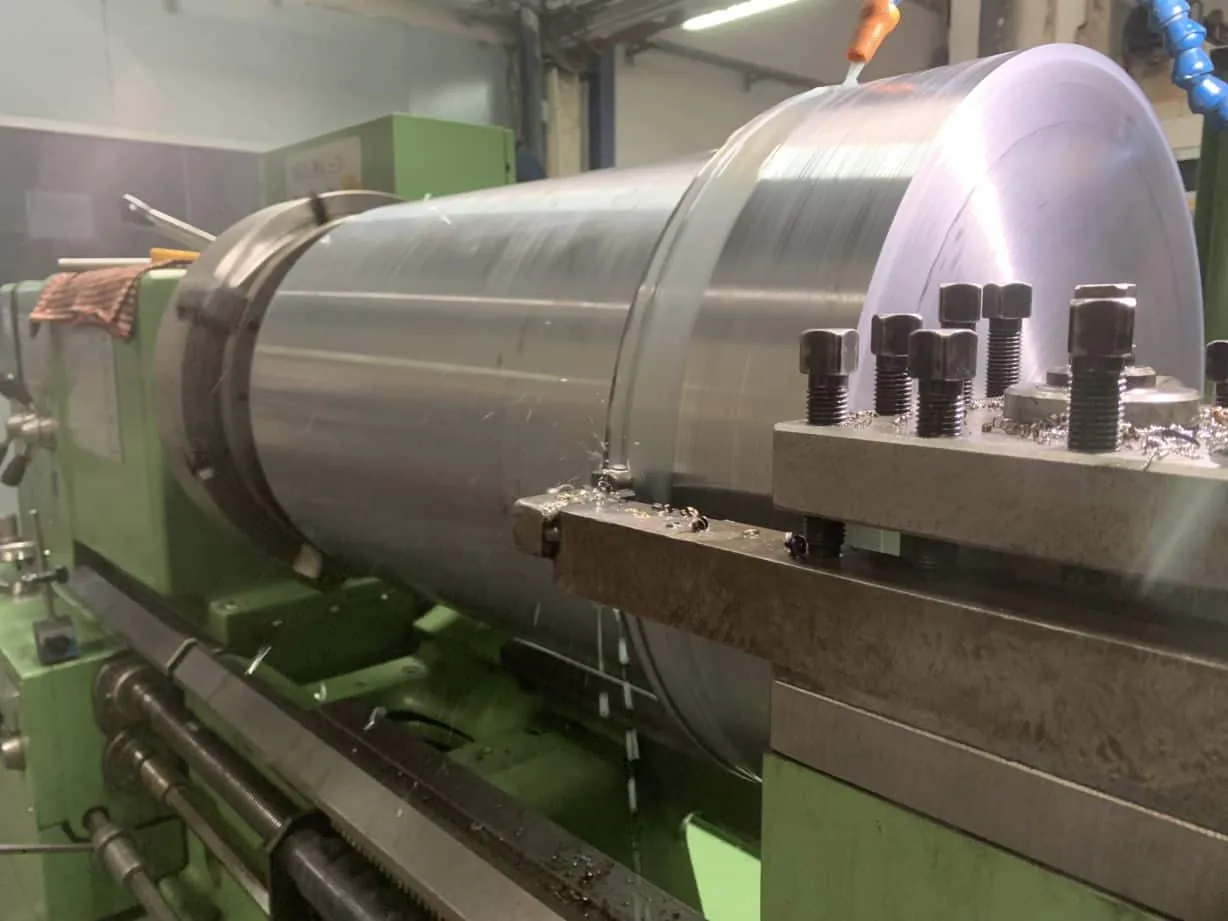
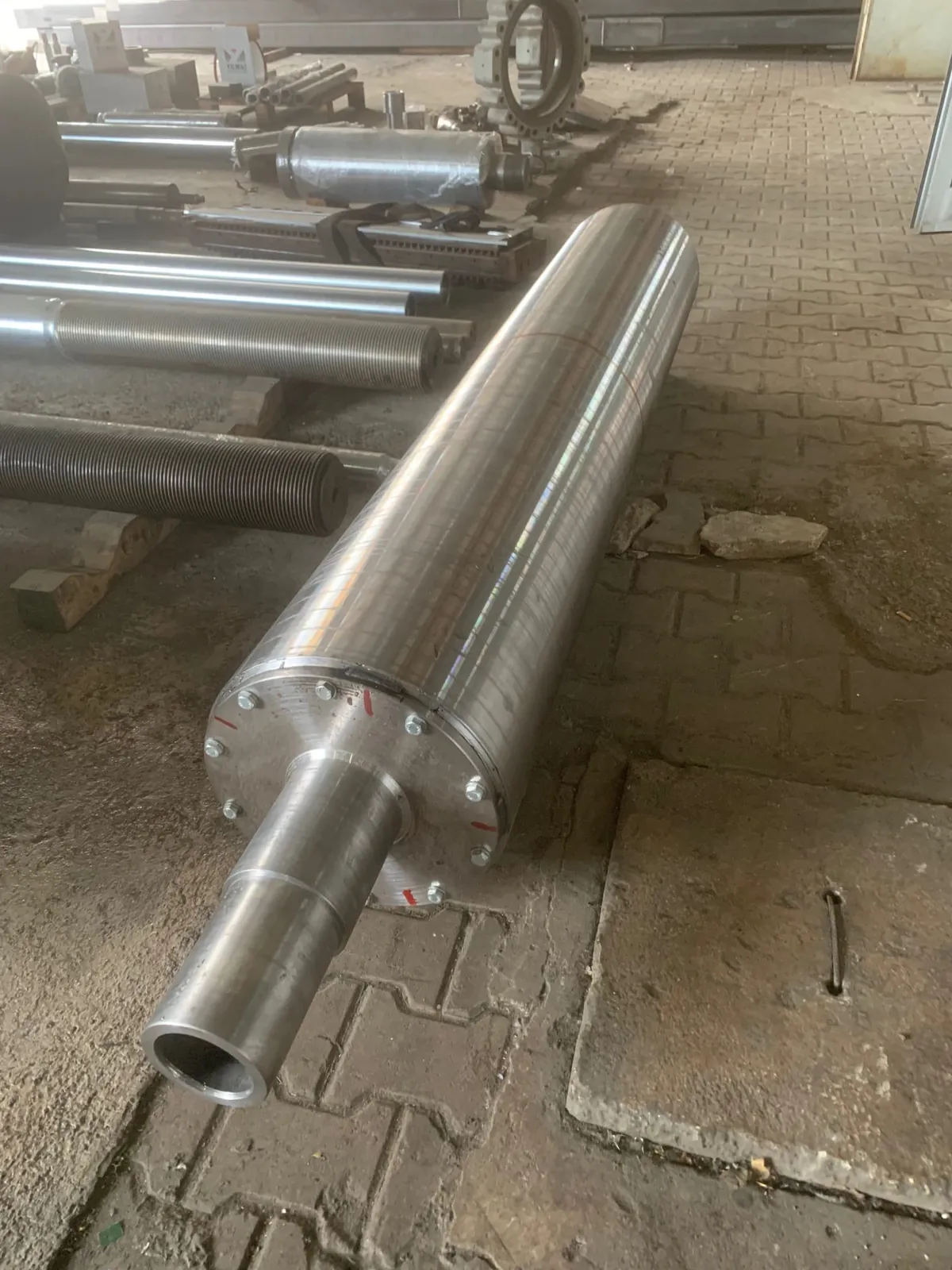
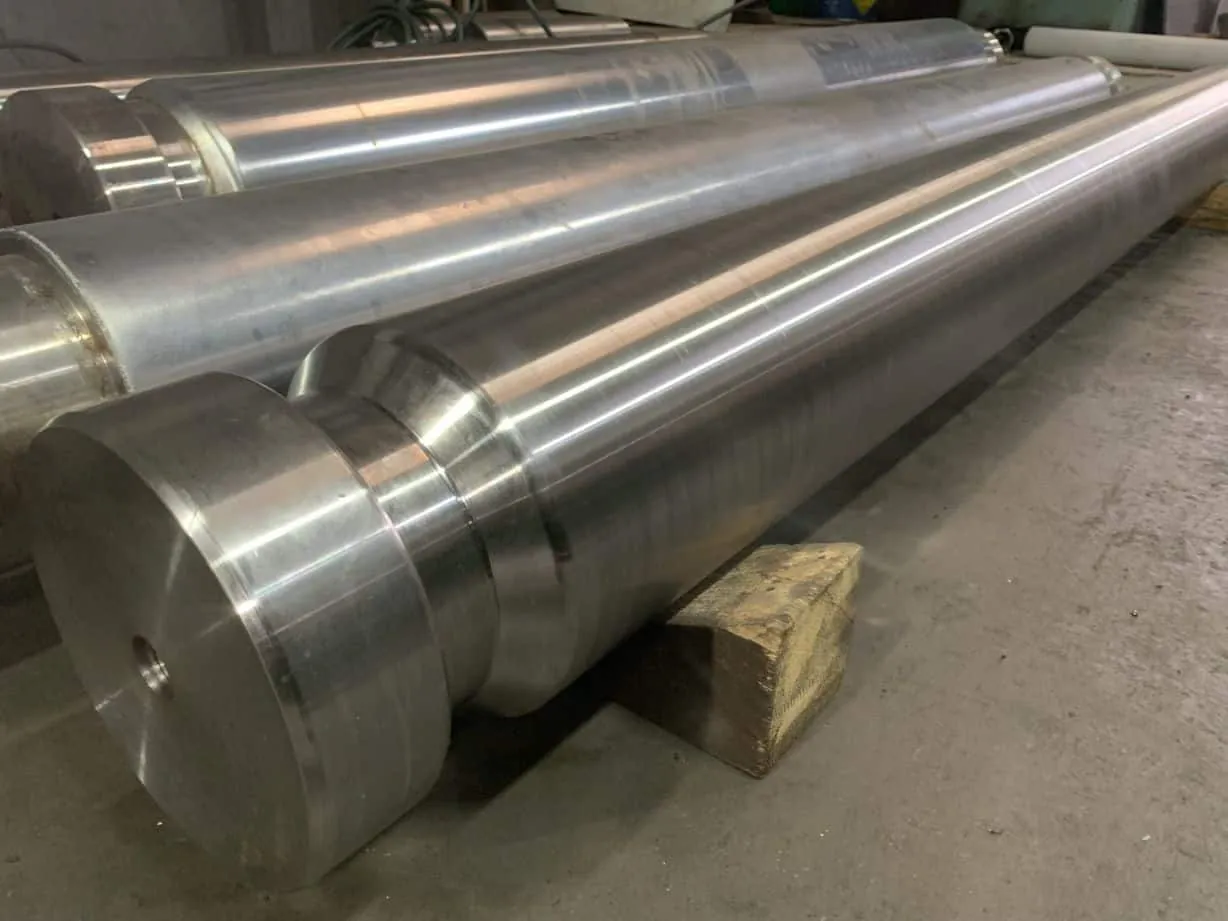
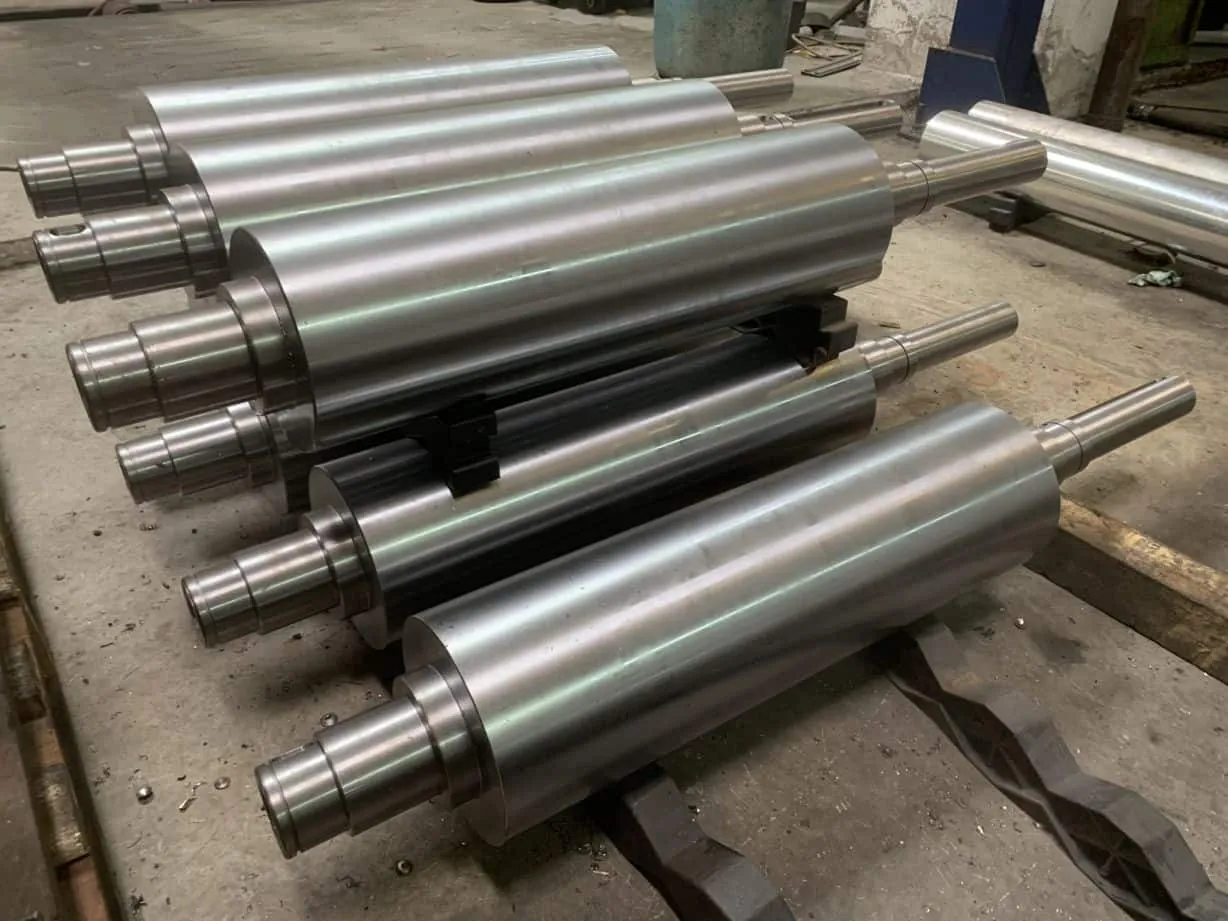
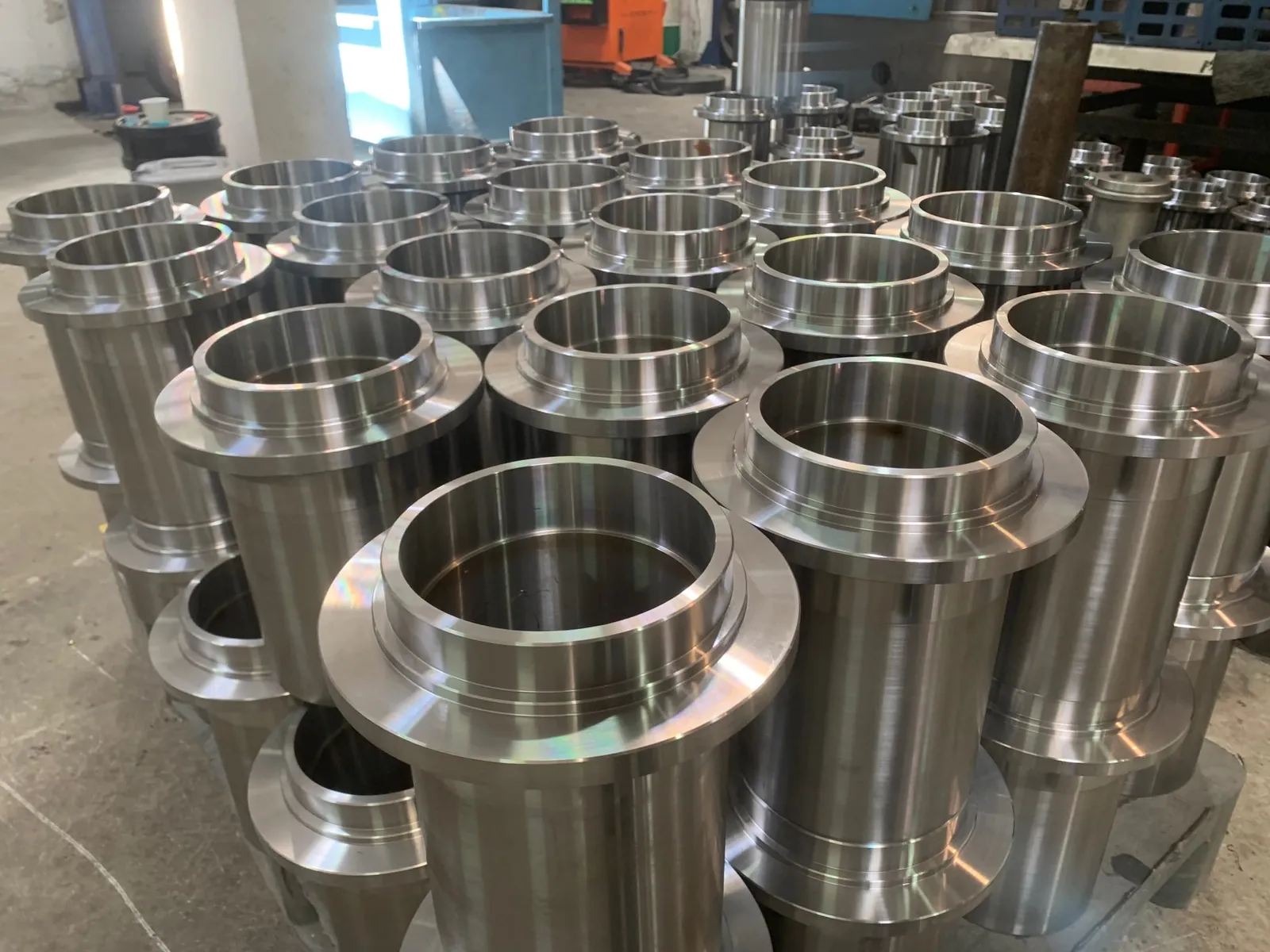
Drum Shells Prepared for Lagging
Every lagged drum starts as a true-running steel shell: welded, turned and balanced before the lagging goes on.
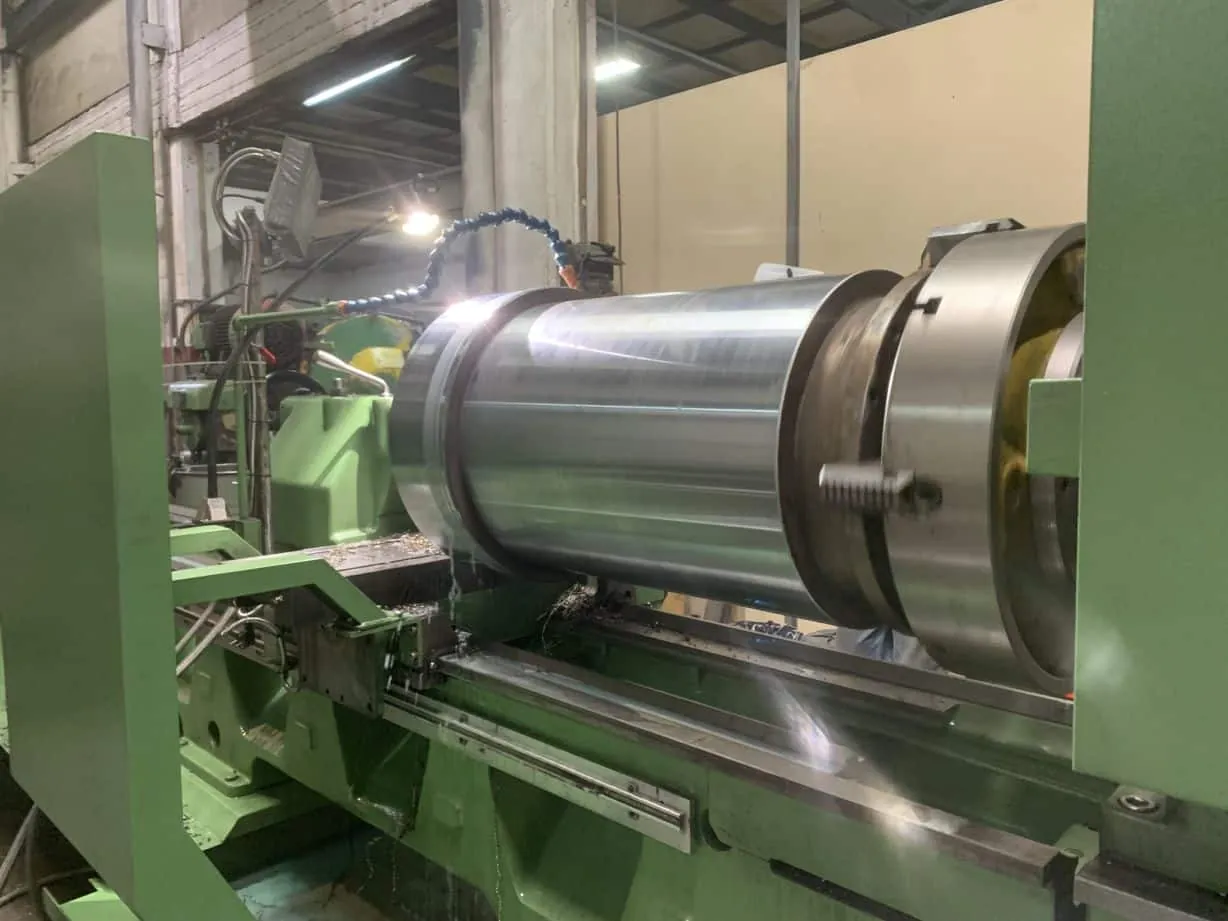
Grip, Wear Protection and Water Shedding
A bare steel drive pulley relies on friction between steel and belt rubber. As soon as water, fines or sticky material get between them, the belt slips, the drive works harder and both belt and pulley wear faster. Lagging gives the pulley face a higher-friction surface, protects the steel shell from wear and, with a grooved pattern, channels water and material away from the contact zone.
- Higher friction between belt and drive pulley, so less slip at start-up and under load
- The lagging wears instead of the steel shell, and can be renewed
- Grooved patterns shed water and fines in wet or dirty conditions
- Less material build-up on bend and snub pulleys, so better belt tracking
Choose the Right Lagging for Each Pulley
Plain rubber
Smooth rubber lagging for bend, snub and tail pulleys, protecting the shell and reducing build-up.
Diamond rubber
Diamond-grooved rubber for drive pulleys running in both directions, with good water shedding.
Herringbone rubber
Directional herringbone grooves for one-way drives, pushing water and fines out to the sides.
Ceramic lagging
Ceramic tiles embedded in rubber for the highest grip and wear life, for high-tension and wet drives.
Lagged Drum Options
Tell us the pulley position, belt tension or drive power, running direction and conditions (wet, abrasive, sticky). We recommend the lagging type and supply it on a new drum or on your existing one.
| Drum types | Drive, head, tail, bend, snub, take-up |
|---|---|
| Diameter | Up to 3,200 mm |
| Length | Up to 6,000 mm |
| Rubber lagging | Plain, diamond, herringbone |
| Ceramic lagging | Ceramic tiles in rubber |
| Polyurethane | Polyurethane coating on request |
| Relagging | Removal of worn lagging, shell inspection and new lagging |
| Supply | Bare drum or complete with shaft, bearings, housings |
How We Relag a Conveyor Pulley
Incoming inspection
We check the old lagging, shell thickness, welds, shaft and bearing seats before quoting the repair.
Lagging removal
Worn lagging is removed and the shell surface is cleaned back to bare steel.
Shell & shaft repair
If needed, the shell is re-turned and worn bearing seats are repaired by build-up welding and machining.
Surface preparation
The shell is blasted and prepared so the new lagging bonds properly.
New lagging
New rubber or ceramic lagging is applied in the pattern chosen for the pulley position.
Balancing & dispatch
The relagged drum is balanced, inspected and packed for return shipment.
Questions About Pulley Lagging
Which lagging types do you supply?
Plain, diamond and herringbone rubber lagging, and ceramic lagging with ceramic tiles in rubber. Polyurethane coating is also available.
Which lagging should I use on a drive pulley?
Diamond rubber for reversing drives, herringbone for one-direction drives, and ceramic lagging for high-tension or wet drives where slip is a problem.
Can you relag our existing drums?
Yes. We remove the worn lagging, inspect and repair the shell and shaft if needed, and apply new lagging.
Do you supply lagged drums with bearings?
Yes. Lagged drums are available bare, with shaft, or complete with bearings and housings.
Are lagged drums balanced?
Yes. Drums are balanced after lagging so they run smoothly.
Lagged Conveyor Pulleys That Keep the Belt Moving
Belt slip on a drive pulley is one of the most common conveyor problems, and one of the most expensive: it wears belts, overheats drives and can stop production entirely in wet weather. The right lagging on the right pulley solves most of it. Ceramic lagging on the main drive, grooved rubber on secondary drives and plain rubber on bend and snub pulleys is a typical combination for heavy-duty conveyors.
New lagged drums
We build lagged drums from new as part of our conveyor drums and pulleys range, up to Ø3,200 mm. The steel shell is welded, turned true and balanced before lagging, because lagging cannot correct a shell that runs out.
Relagging and drum repair
Lagging is a wear part. When it wears through, a relag is often far cheaper than a new pulley, as long as the shell and shaft are still sound. As part of our roller repair and refurbishment, we inspect the drum, repair worn shafts and bearing seats if needed, and apply new lagging.
Where lagged pulleys run
Lagged drums are standard in mining, quarries, cement plants and ports, where wet and abrasive material makes grip critical. For other coated rollers, see rubber and polyurethane coated rollers. To request a quote, send your pulley data or drawing via the contact page.