Roller Repair & Roll Refurbishment
Worn, scored, cracked or out-of-round rollers and drums repaired and returned to service, up to Ø3,200 mm. Often at a fraction of the cost and lead time of a new roll.
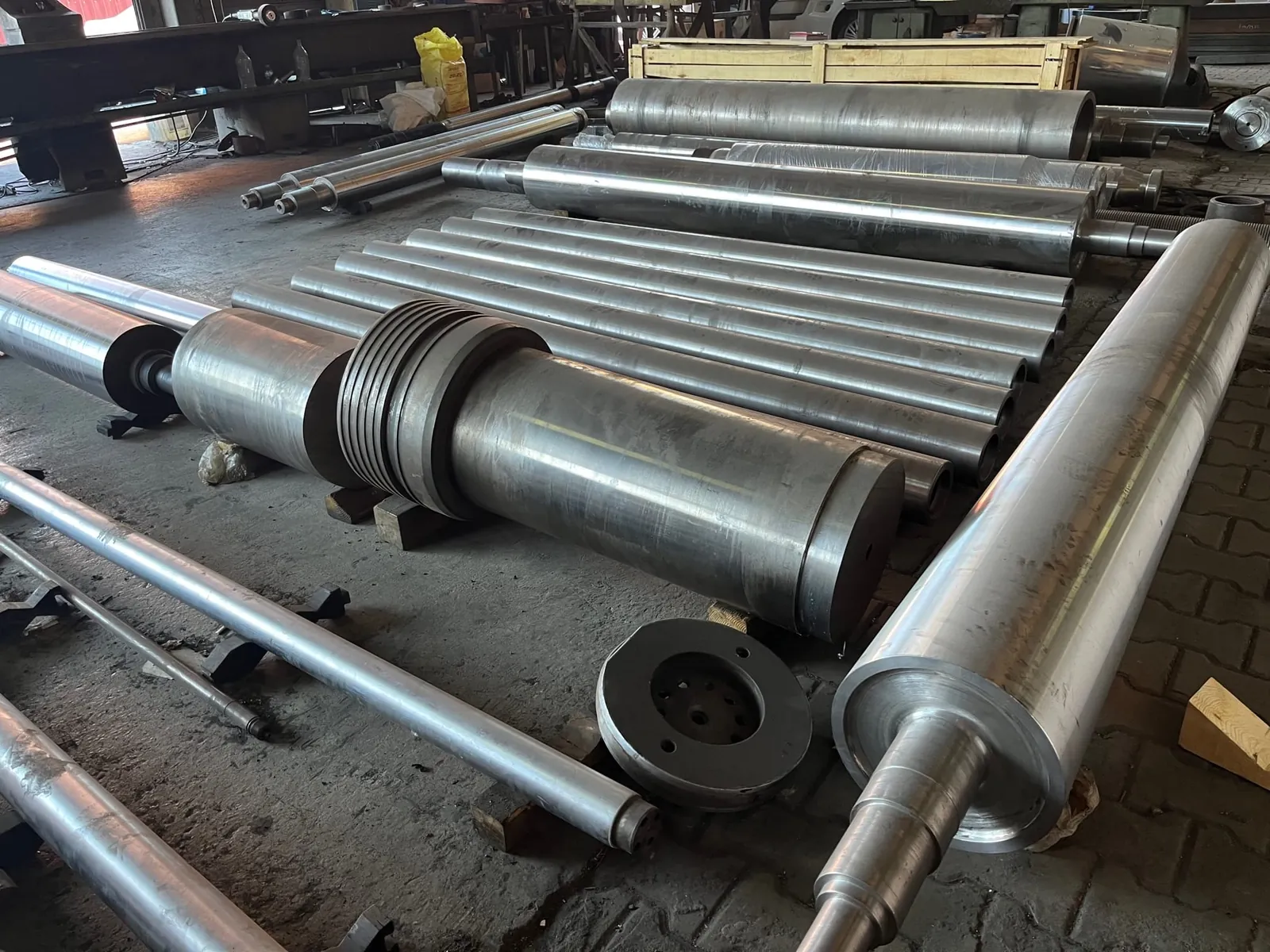
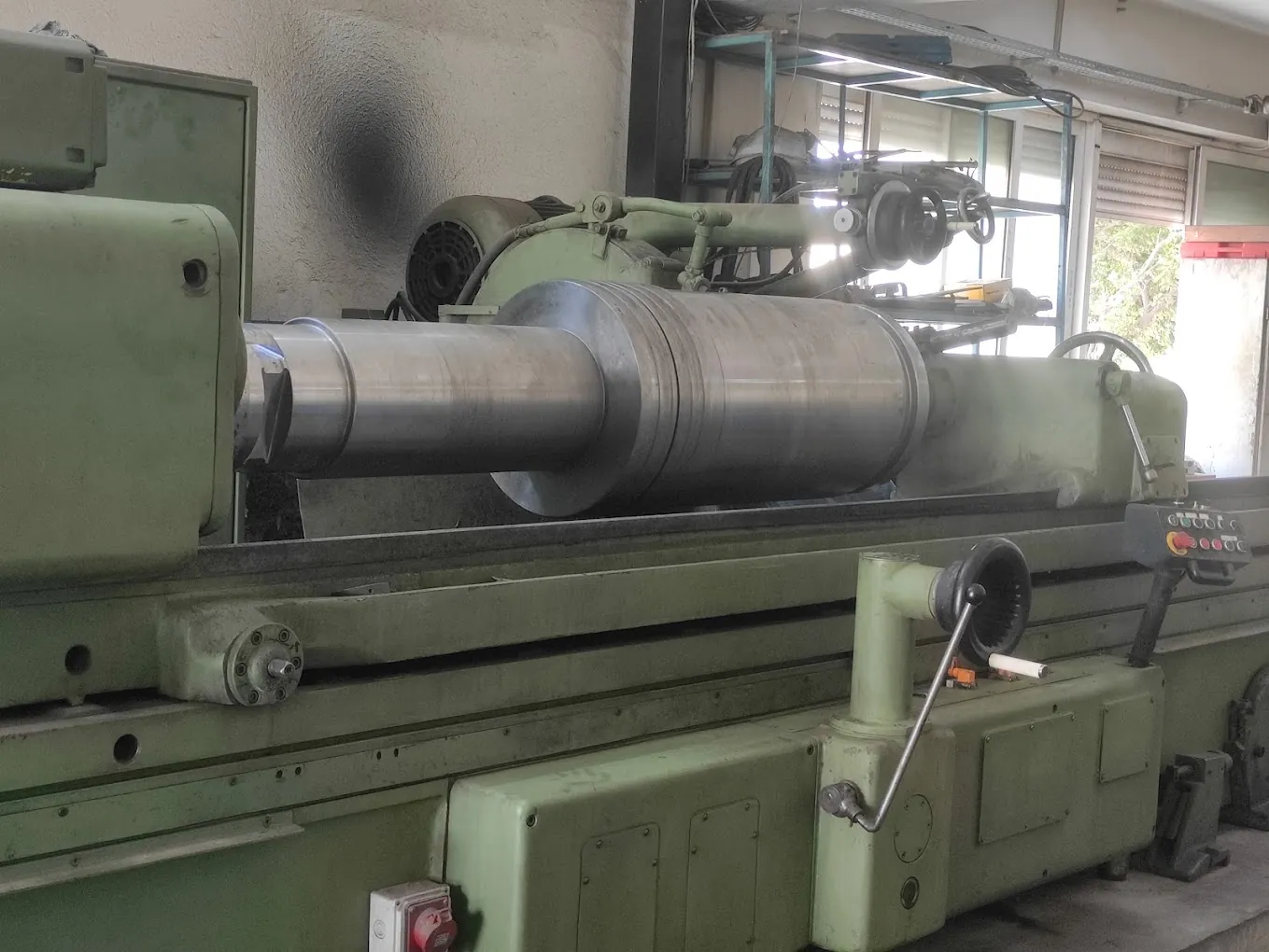
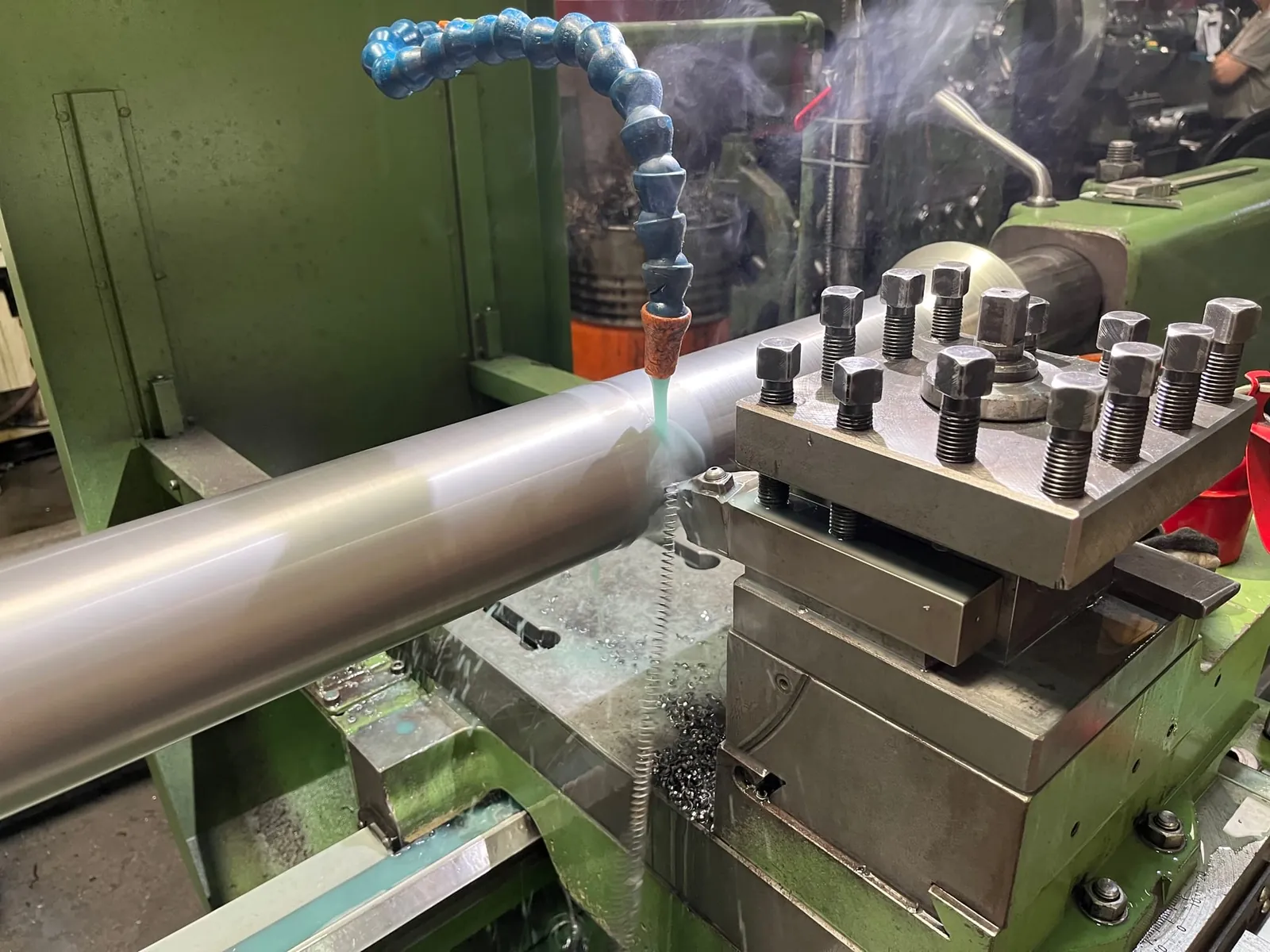
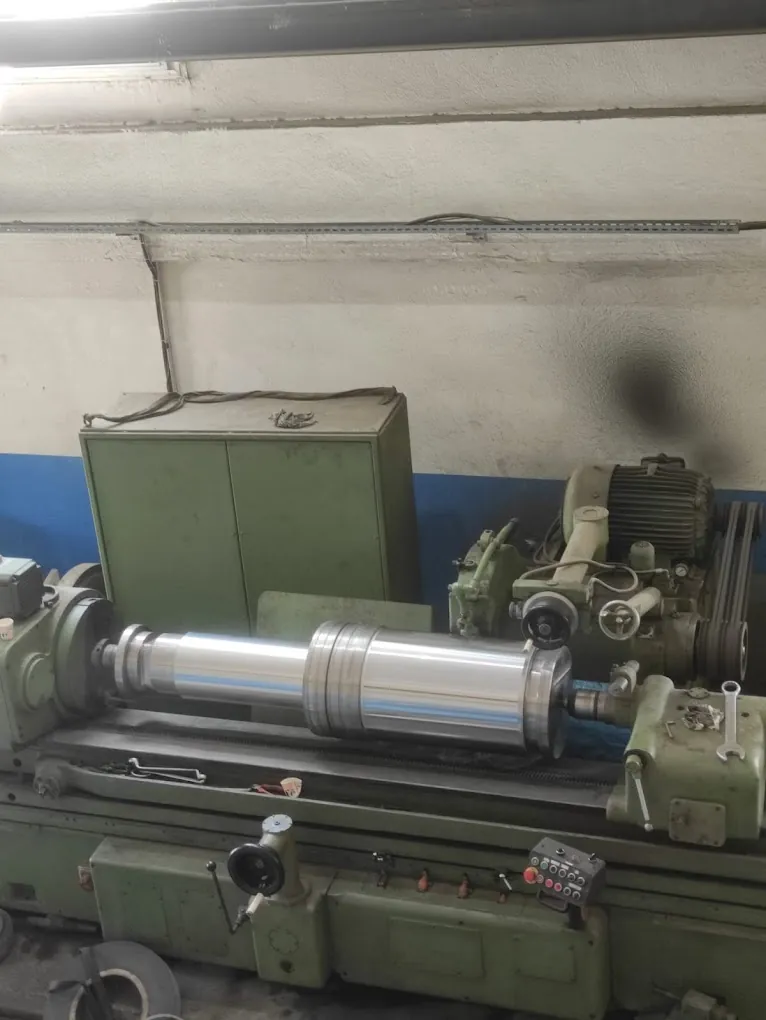
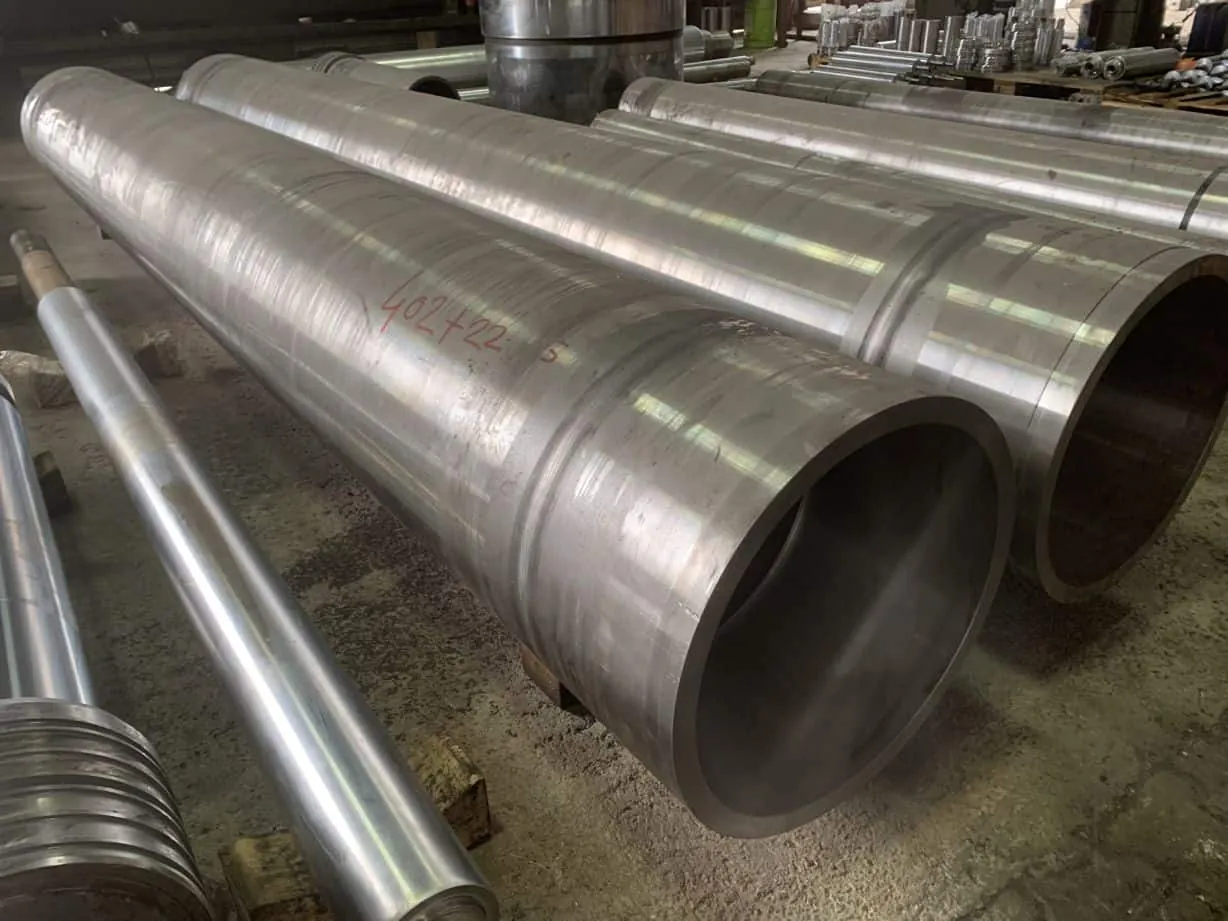
Rolls in for Repair and Regrinding
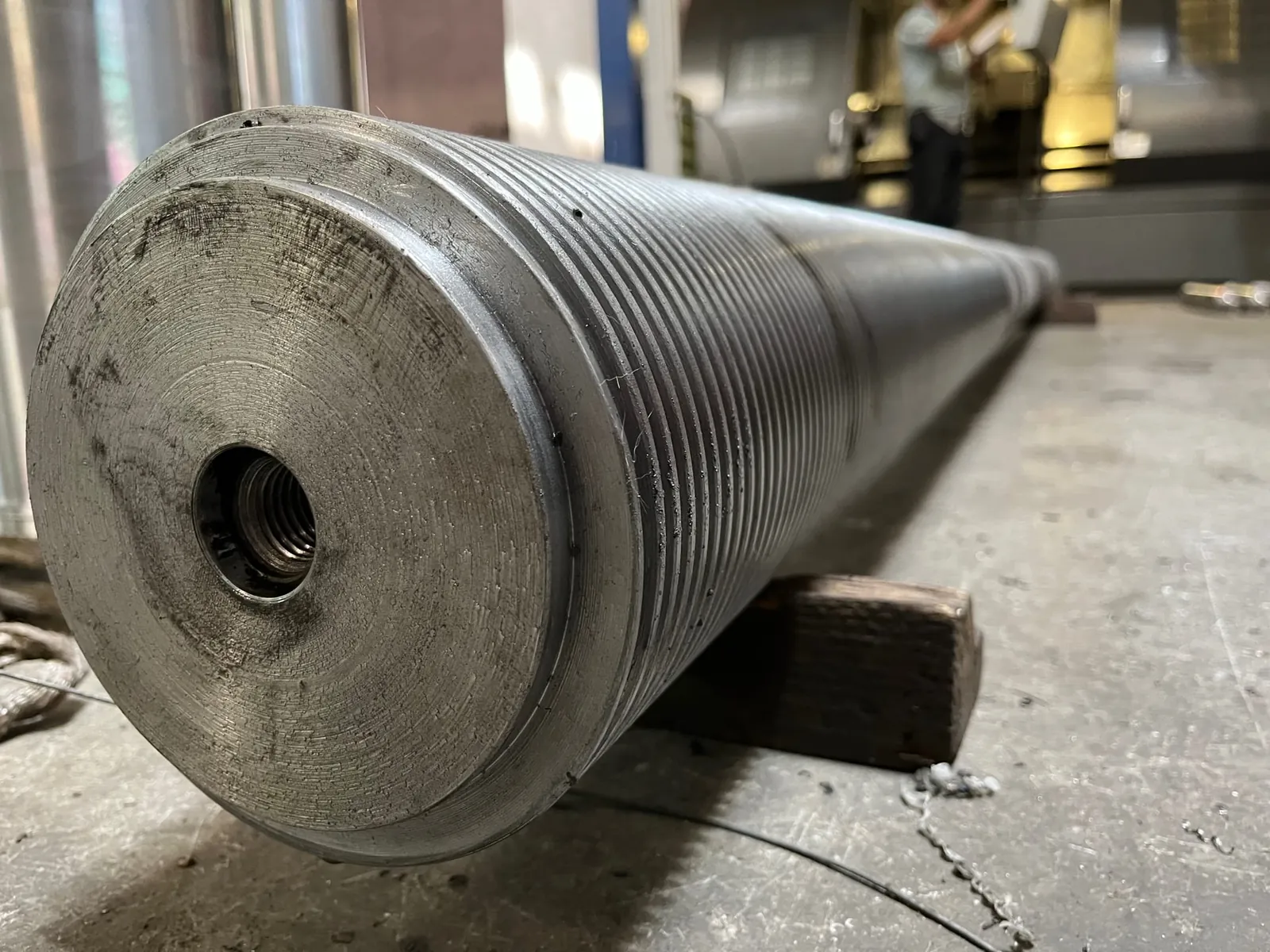
What We Repair
Regrinding
Worn, scored or out-of-round surfaces ground back to a true, smooth finish.
Learn more →Rechroming
Old chrome stripped, base reground, roll replated and finish-ground.
Learn more →Journal & seat repair
Worn journals and bearing seats built up by welding and machined back to size.
Relagging
Worn rubber or ceramic lagging on conveyor drums replaced.
Learn more →Recovering
Worn rubber and PU roller covers removed and renewed.
Learn more →Rebalancing
Rollers dynamically balanced after repair.
Learn more →How a Roller Repair Works
Photos & data
Send photos, measurements and the original drawing if you have it. We give a first assessment.
Incoming inspection
On arrival, we measure runout, wear, shell thickness, journals and coatings, and send a repair quote.
Strip & clean
Old chrome, lagging or covers are removed and the roll is cleaned.
Rebuild & machine
Worn areas are built up by welding where needed, then turned and ground back to size.
Surface renewal
New chrome, lagging or cover is applied and finished.
Balance & return
The roll is balanced, inspected, documented and shipped back.
When Repair Makes Sense, and When It Doesn't
Repair is usually the better choice when the roll body and shell are sound and the damage is on the surface, the coating or the journals. It is often faster and cheaper than a new roll, especially for large or special rolls with long lead times.
A new roll is the better choice when the shell is cracked through, worn below its minimum wall thickness, or when the design itself was the cause of failure. After inspection, we tell you honestly which option makes sense. If it is a new roll, we build it as a replacement roller.
Send photos of your roller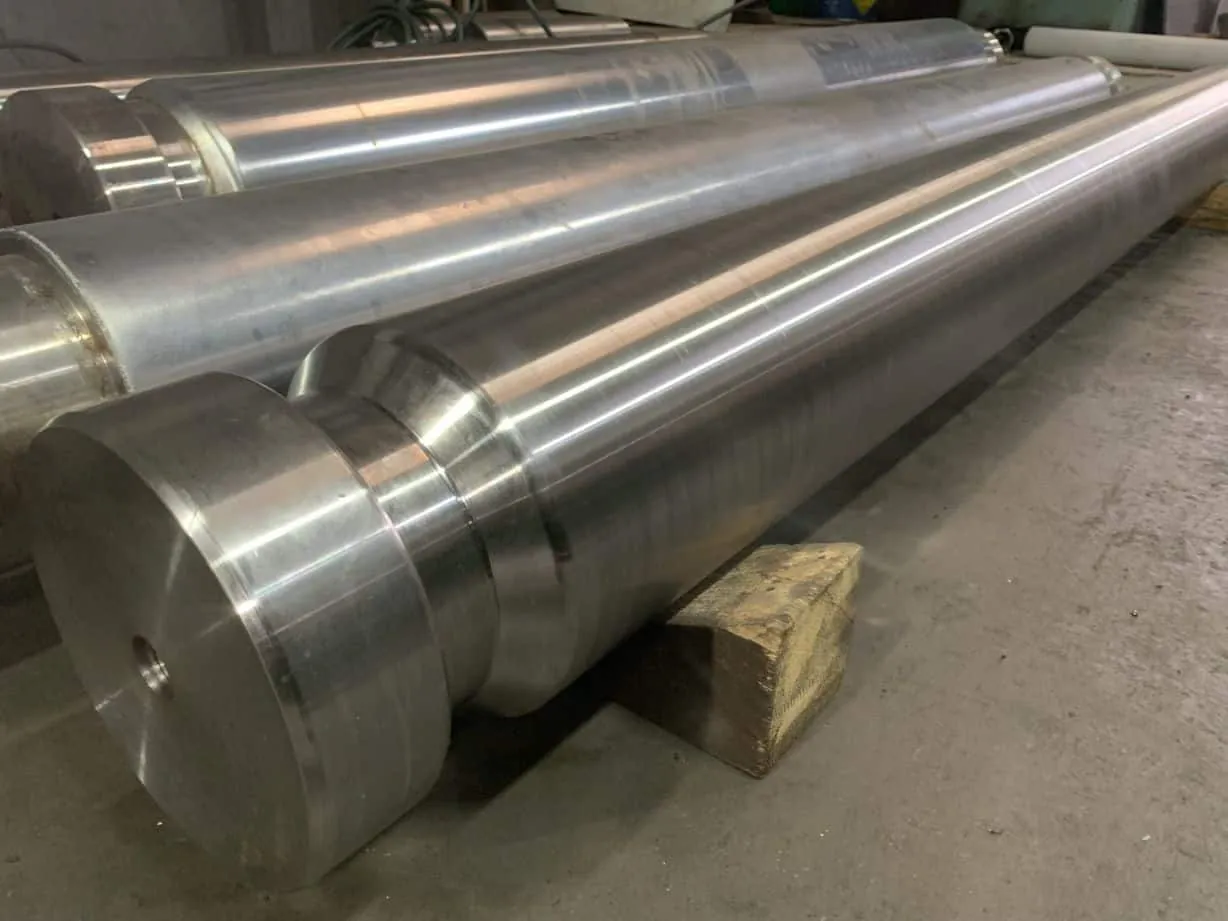
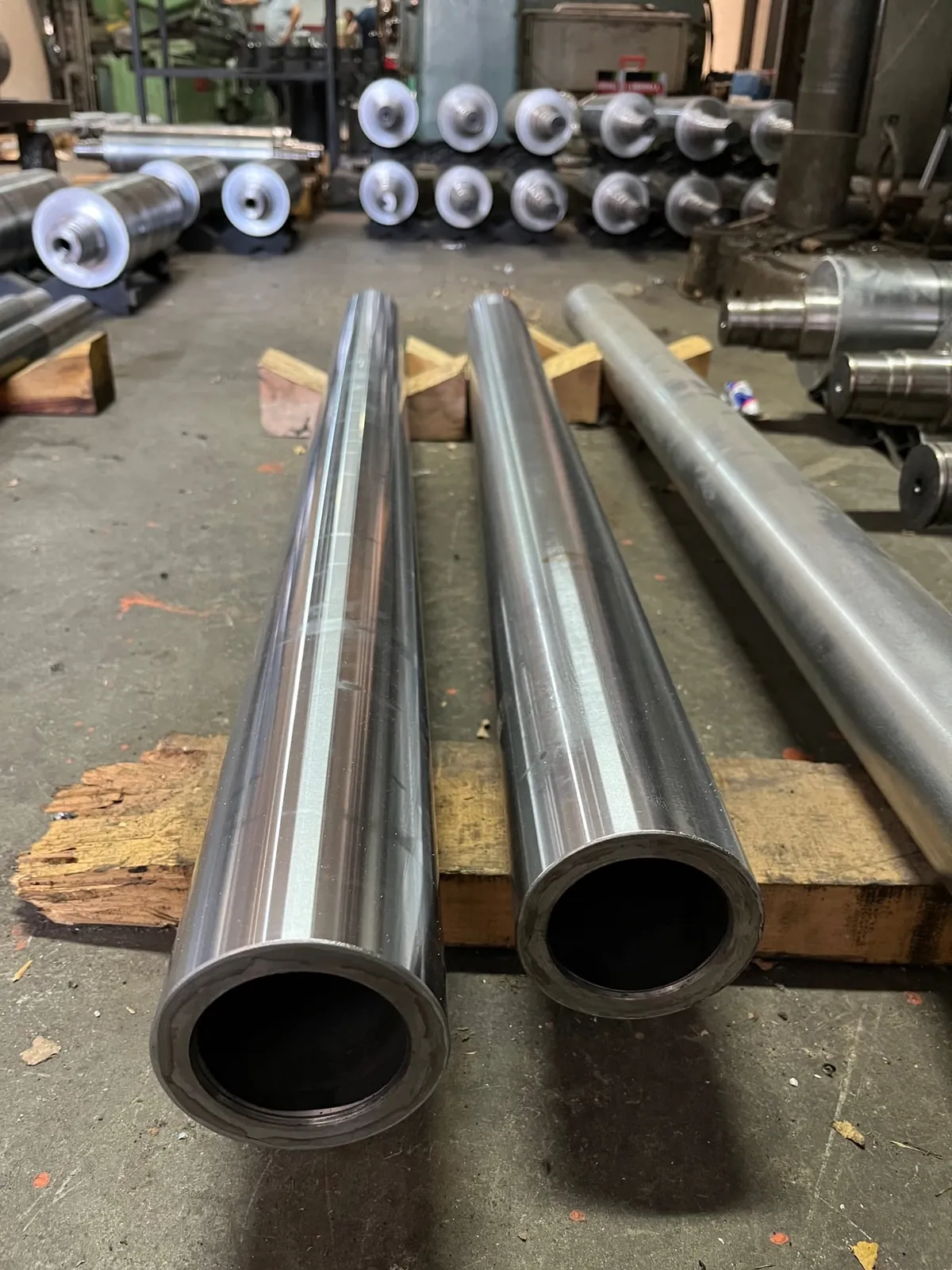
Questions About Roller Repair
What types of roller damage can you repair?
Worn, scored or out-of-round surfaces, worn chrome, worn journals and bearing seats, worn lagging and covers, and imbalance.
How do I start a repair?
Send photos, measurements and the original drawing if available. We give a first assessment, then a firm quote after incoming inspection.
Can you repair large rolls?
Yes, up to Ø3,200 mm, 6,000 mm long and 12 tonnes.
Is repair cheaper than a new roller?
Usually, when the shell and body are sound. After inspection we tell you whether repair or replacement makes more sense.
Do you rebalance after repair?
Yes. Repaired rollers are dynamically balanced before they ship.
Roller Repair That Gets Your Line Running Again
A worn roller rarely needs to be scrapped. Most of what wears is the surface: chrome, lagging, rubber cover, or the bearing journals. The expensive part, the roll body, is usually still good. Refurbishment restores the worn surfaces and returns the roll to its original specification, often with a better coating than it had before.
Repairs for heavy industry
We repair conveyor drums and pulleys for mining, quarries and cement plants, and process rolls for paper and steel processing lines. Large rolls up to Ø3,200 mm are within our range.
Plan the next repair
For critical rolls, a spare is worth having. While one roll runs, the other can be refurbished, so repairs never stop the line. We can build a spare roll to match your existing one. Send photos and measurements via the contact page.
What to send with a repair enquiry
- Photos of the whole roller and of the damaged areas
- Close-ups of both shaft ends and bearing seats
- Main dimensions: diameter, face length, total length
- The original drawing, if available
- A short description of how the roller failed
- The date you need the roller back
With this information, we can give a first assessment before the roller is shipped. After incoming inspection, we confirm the repair scope and price.
Repair for any roller type
We repair conveyor drums, process rolls, chrome rolls, coated rollers and shafts, regardless of the original manufacturer.