Heavy Lathe Turning up to Ø3,200 mm
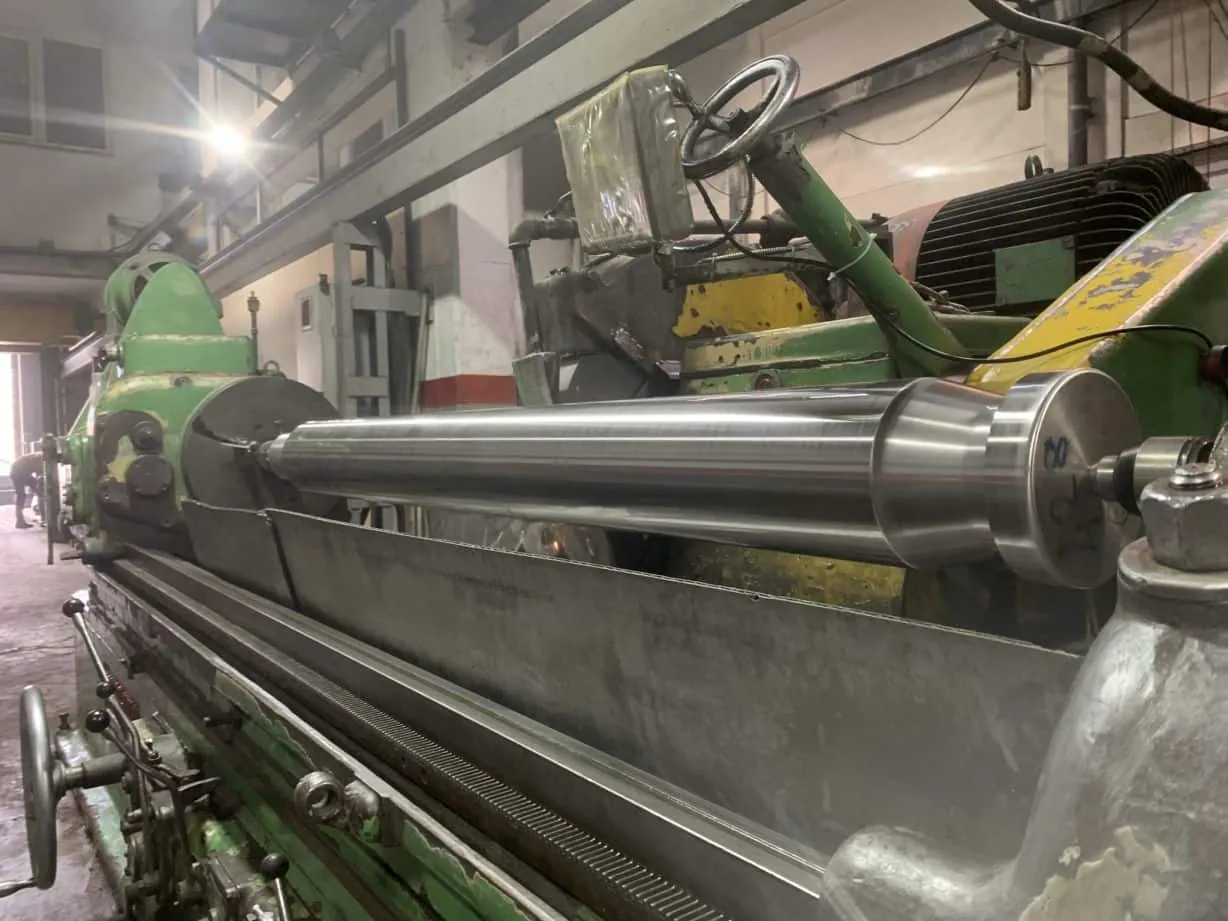
Large cylindrical parts turned to drawing: shafts, shells, discs, rings, sleeves, hubs and rolls, up to 3,200 mm in diameter, 6,000 mm long and 12 tonnes. Grinding and chrome available on the same order.
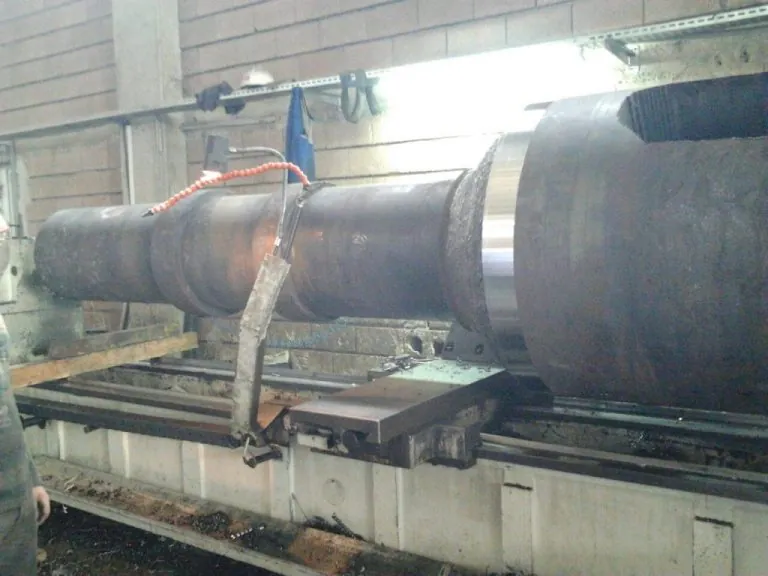
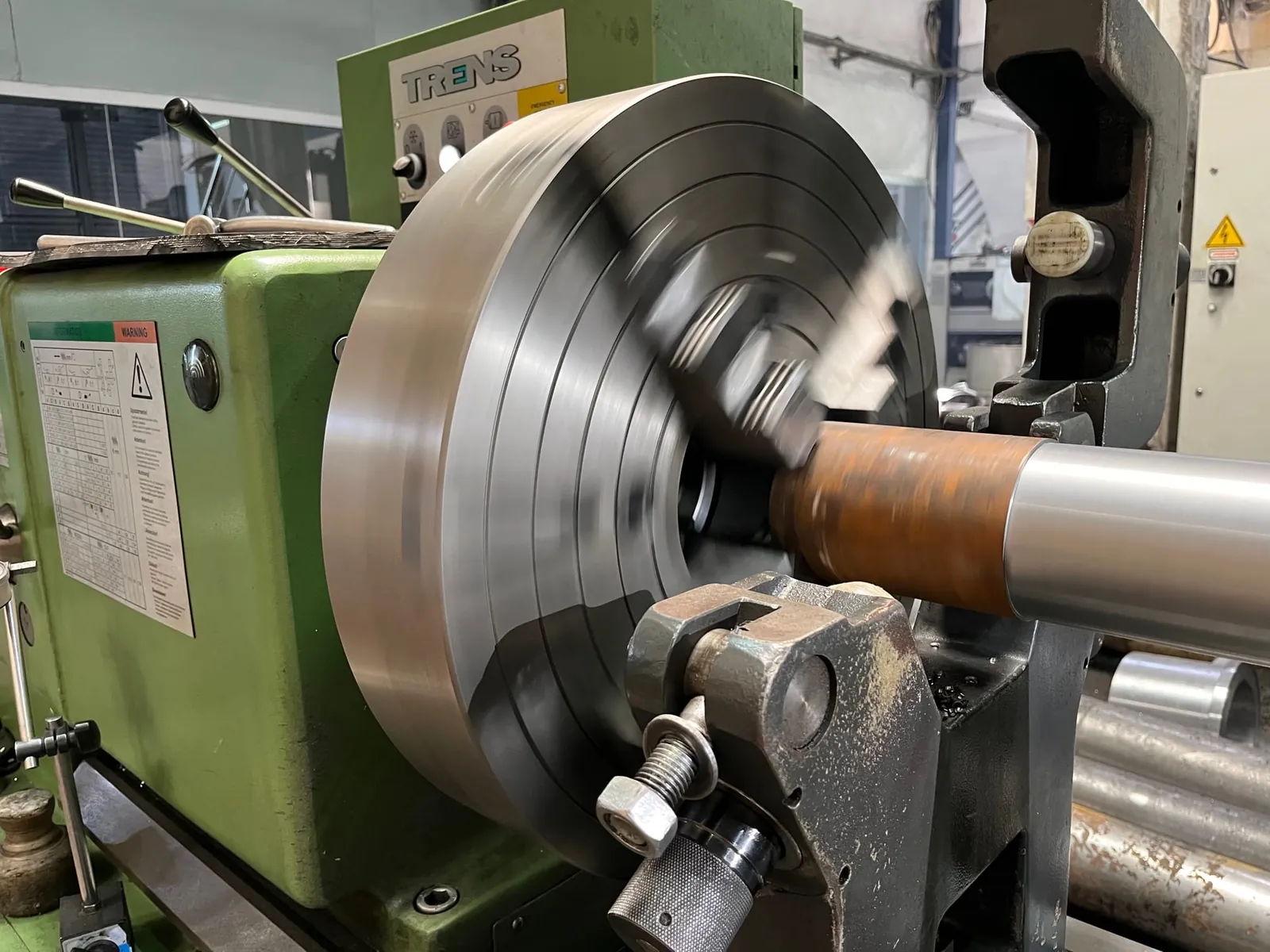
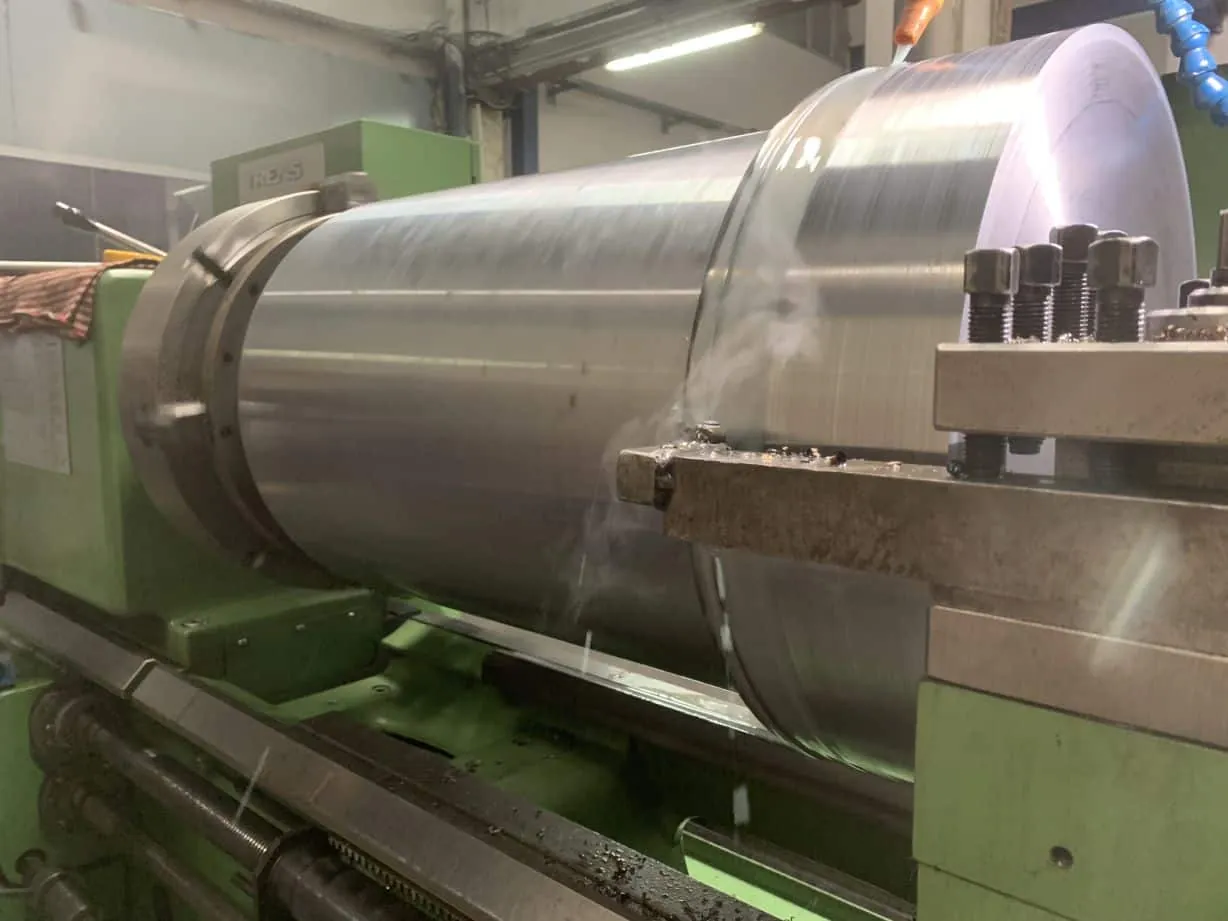
Heavy Parts on Our Lathes
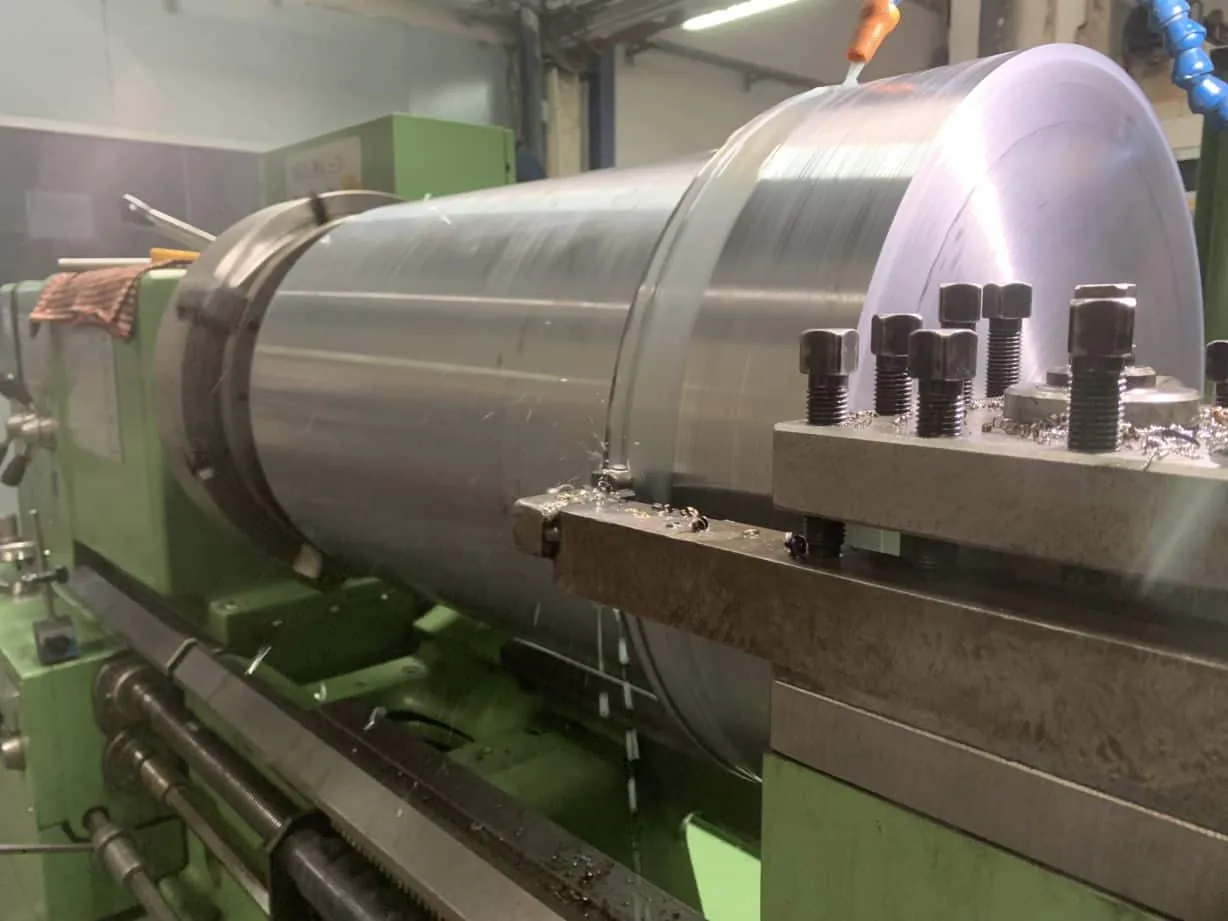
Large Turned Parts Beyond Rollers
The lathes that turn our largest rollers turn any heavy cylindrical part. Typical work:
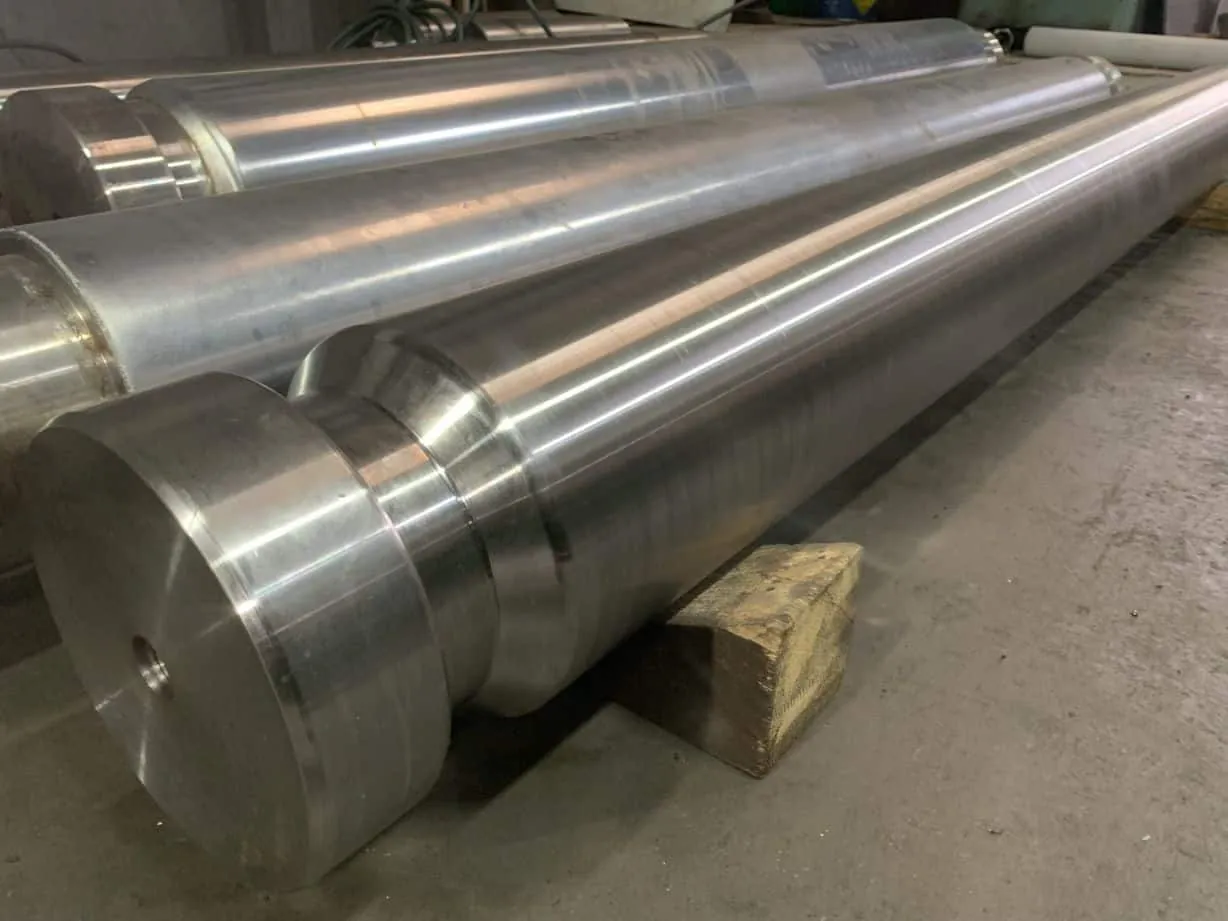
Heavy shafts
Drive, mill, crusher and drum shafts from bar or forgings.
Learn more →Large discs & flanges
Discs, end plates, flanges and wheels on the faceplate.
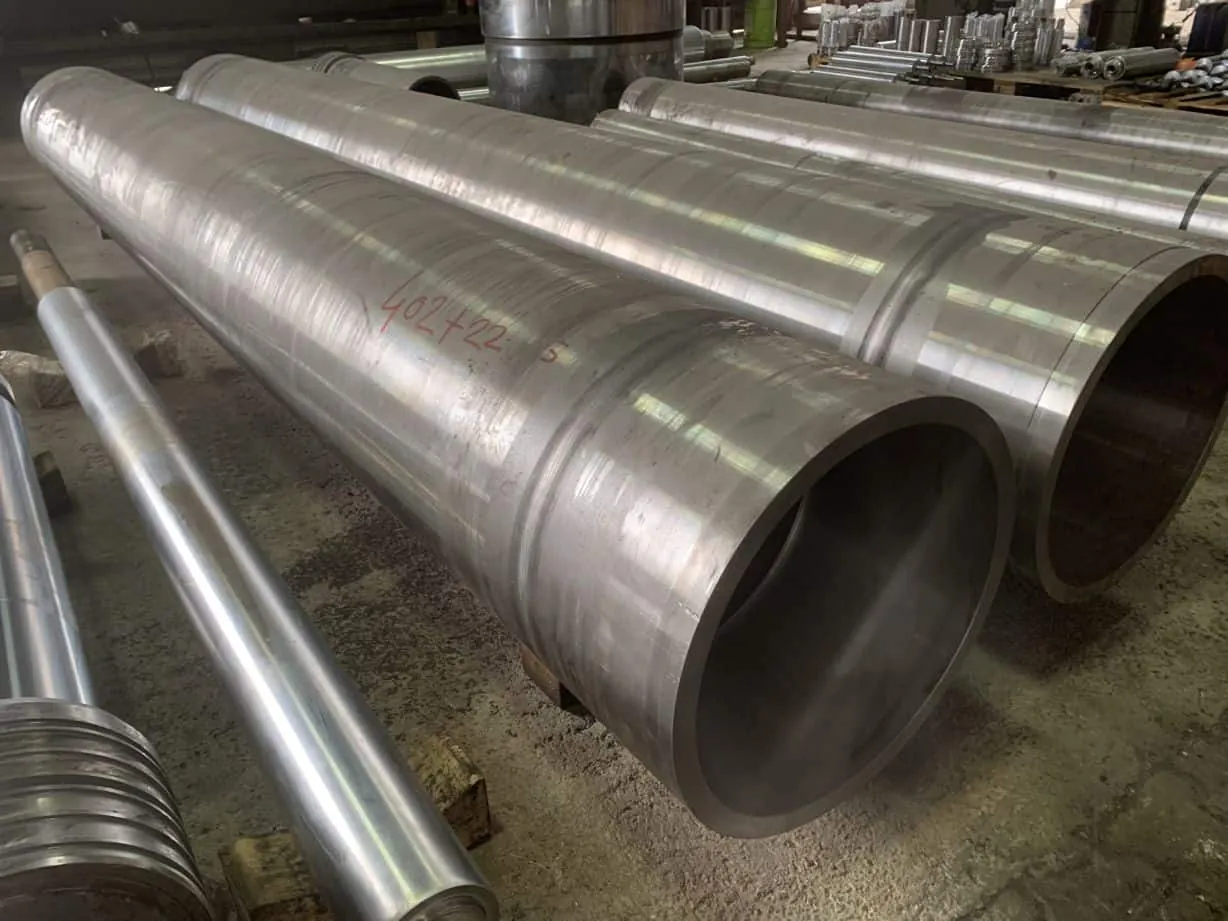
Shells & tubes
Cylinder shells, drum bodies and heavy tubes, bored and turned.
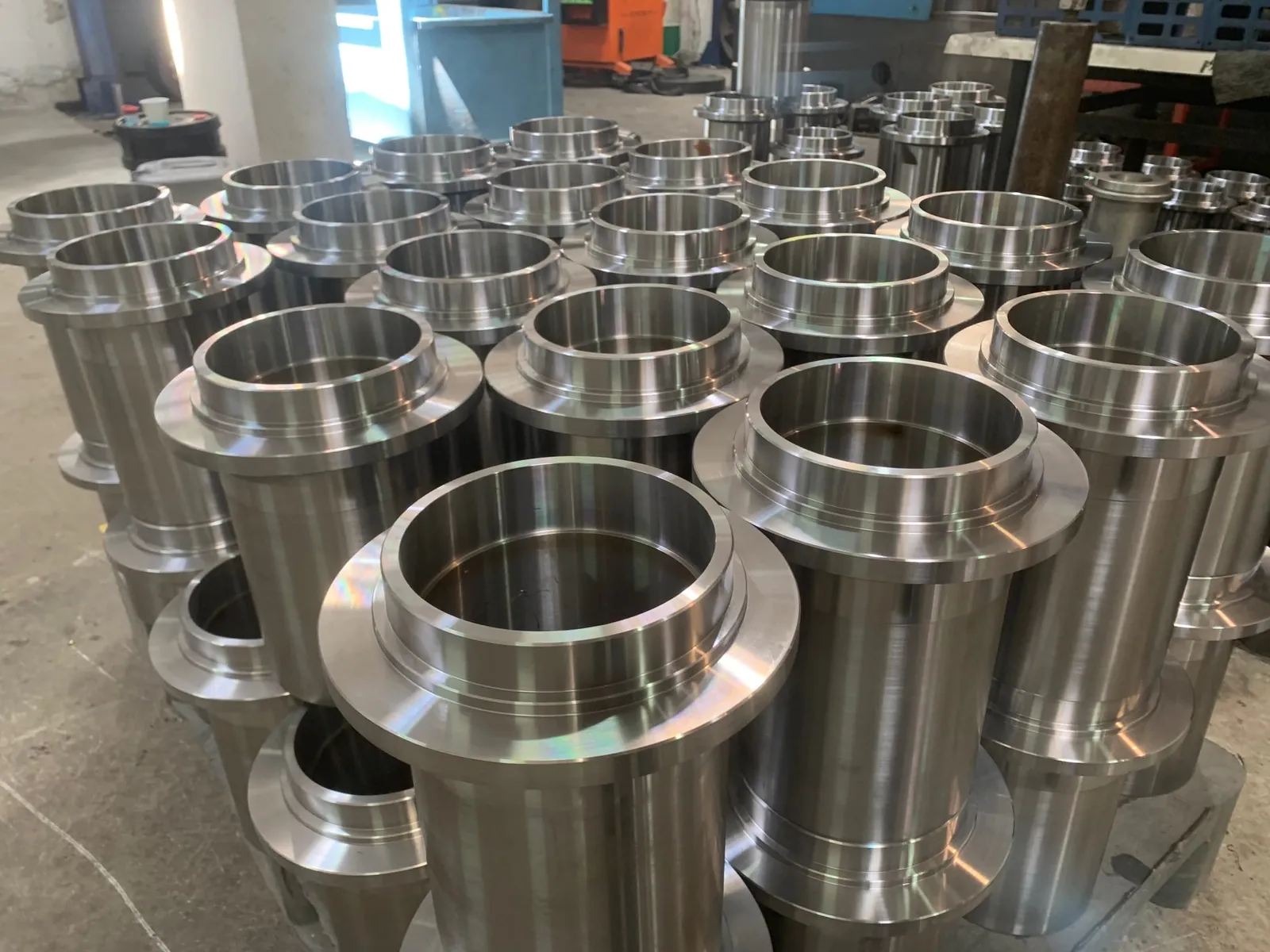
Rings & sleeves
Large rings, sleeves, bushings and hubs.
Welded assemblies
Welded parts machined after welding, so they hold tolerance.
Rolls & rollers
Every type of roller and drum up to Ø3,200 mm.
Learn more →One Heavy Lathe for Big Parts, CNC Cells for Batches
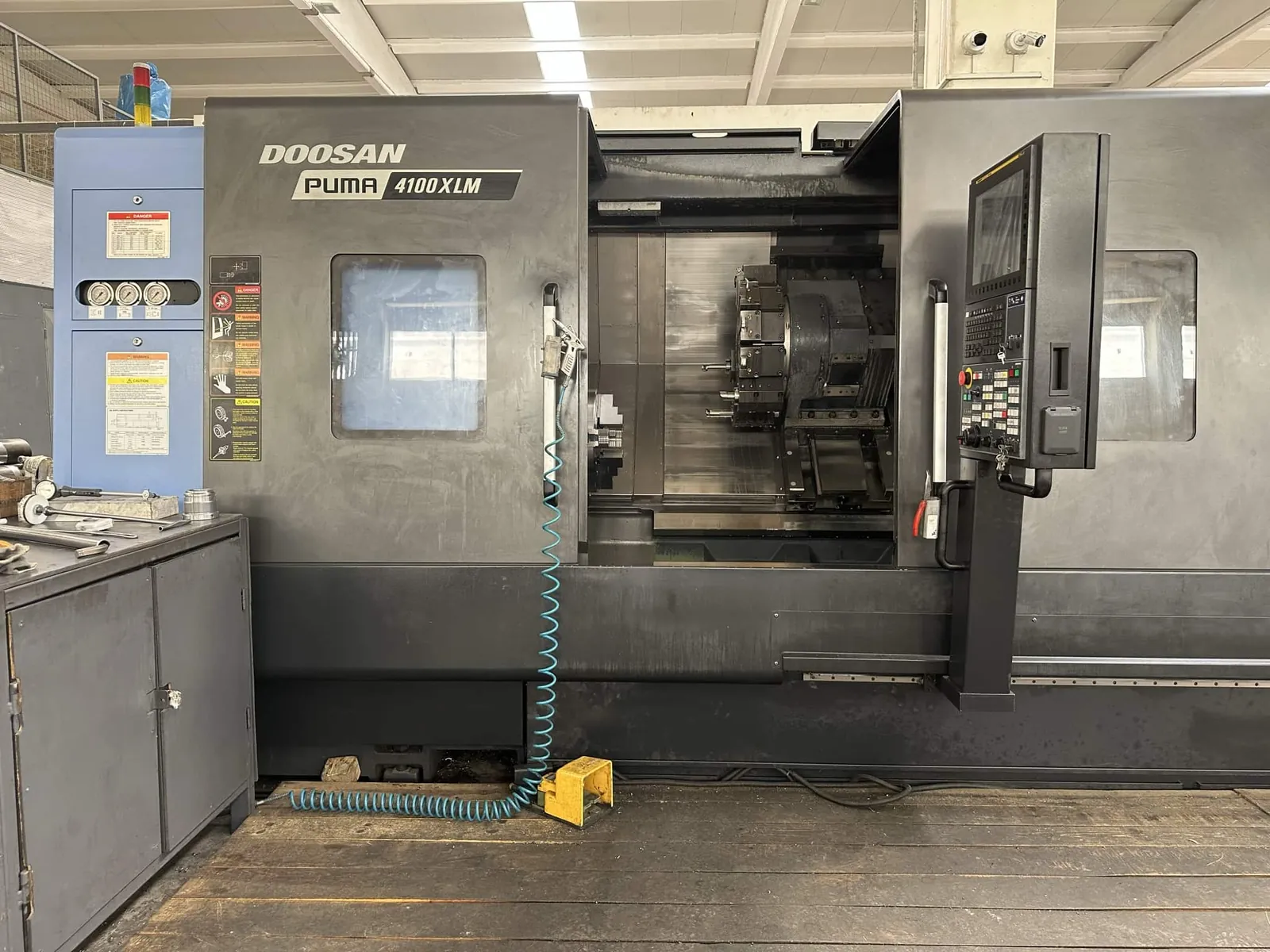
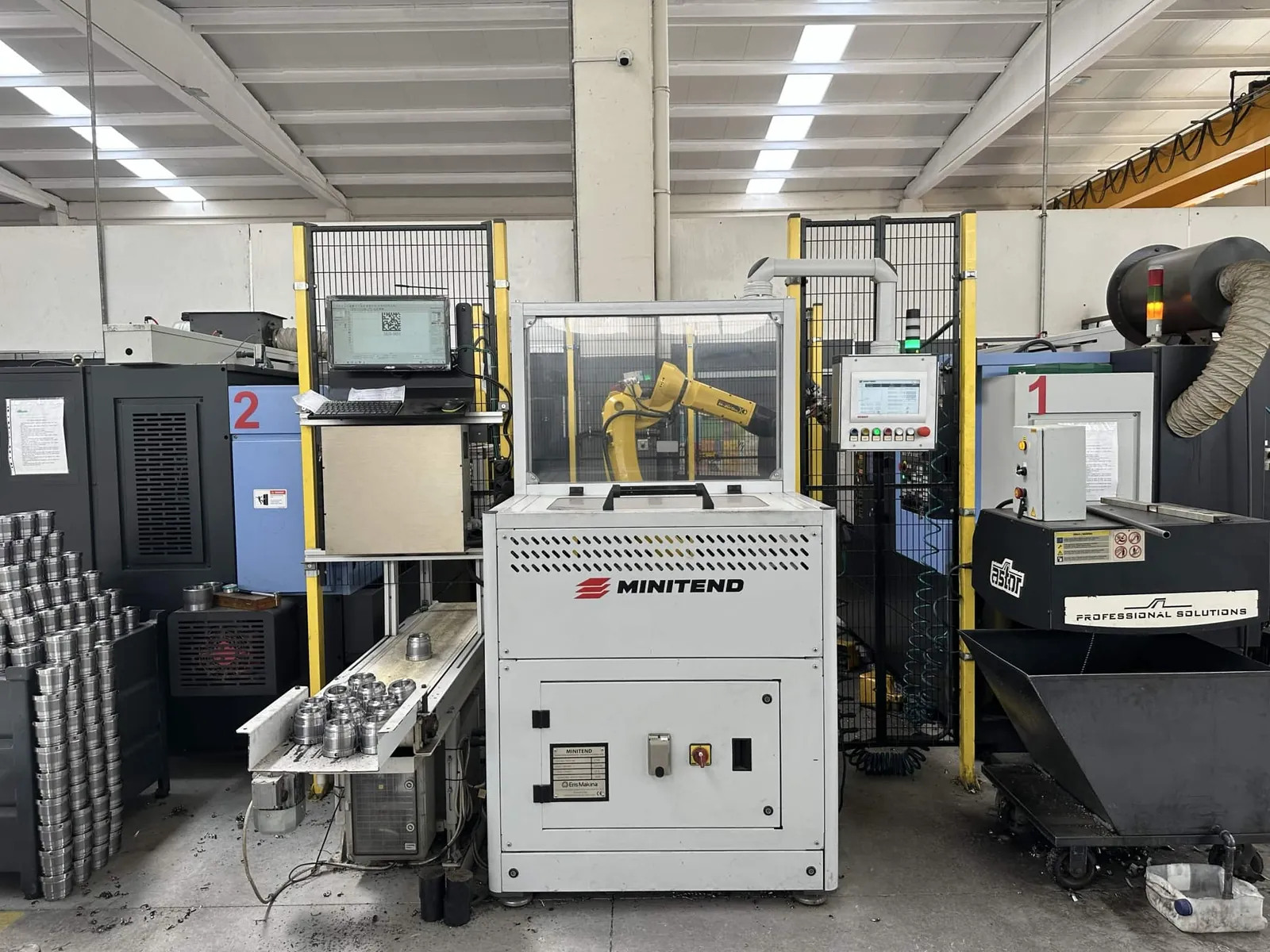
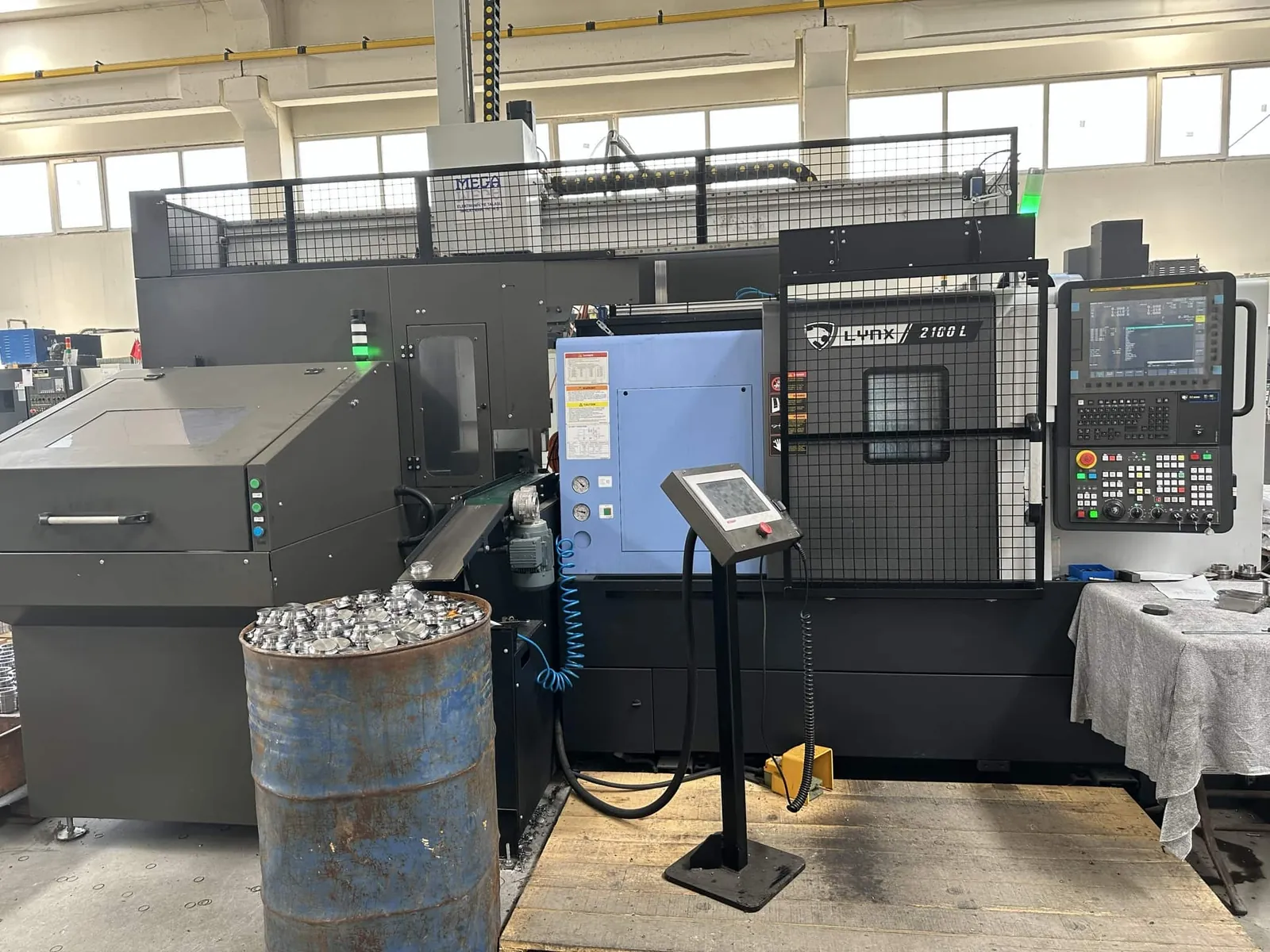
For one-off and small-batch heavy parts, our heavy lathe swings up to Ø3,200 mm and turns lengths up to 6,000 mm, with chuck, faceplate and steady rests for parts up to 12 tonnes. For series work, CNC turning centres, including a Doosan Puma 4100XLM and a robot-loaded turning cell, machine shafts, hubs and housings in repeat batches.
- Turning, facing, boring, grooving and threading
- Parts from bar, forgings, castings or welded blanks
- Cylindrical grinding to ±0.005 mm on the same order
- Hard chrome, painting or galvanizing as finish
Heavy Turning Capacity
Send the drawing with material, weight and quantity. For parts at the edge of our capacity, we confirm feasibility and setup before quoting.
| Turning diameter | Up to Ø3,200 mm |
|---|---|
| Turning length | Up to 6,000 mm |
| Part weight | Up to 12 tonnes |
| Operations | Turning, facing, boring, grooving, threading |
| Series turning | CNC turning centres incl. robot-loaded cell |
| After turning | Grinding, hard chrome, honing, balancing |
| Documents | Dimensional report, EN 10204 3.1 |
Questions About Heavy Turning
What is the largest part you can turn?
Up to Ø3,200 mm in diameter, 6,000 mm long and 12 tonnes.
Do you turn parts other than rollers?
Yes. Heavy shafts, discs, flanges, rings, sleeves, shells and welded assemblies, all to drawing.
Can you grind the part after turning?
Yes. Cylindrical grinding to ±0.005 mm on precision parts, and hard chrome plating, are available on the same order.
Do you machine welded parts?
Yes. Welded assemblies are machined after welding so they hold tolerance.
Heavy Lathe Turning for European Machine Builders
Large turned parts are a bottleneck for many machine builders. Lathes with a swing over two metres are rare, often booked out for months, and many shops that own one cannot grind or plate the part afterwards. We built our capacity around large rollers, and that capacity is available for any heavy cylindrical part.
From one large part to repeat batches
We turn single heavy parts for repairs and prototypes, and repeat batches on frozen drawings for production. Welded blanks come from our sister company Nika Steelworks, so you can order a welded and machined part from one source.
Finishing on the same order
After turning, parts can be ground, hard-chrome plated and balanced. For shafts specifically, see roll shafts and heavy shafts. Send your drawing via the contact page.
Typical heavy turning orders
Heavy turning orders come from machine builders who need a few large parts per year, from plant operators who need a replacement part quickly, and from engineering companies building one-off equipment. Typical parts include drive shafts for crushers and mills, large flanges and slewing rings, cylinder shells, drum bodies, rotor shafts, and heavy welded assemblies that need precise machined faces and bores.
Working from welded blanks
Many large parts start as welded blanks rather than solid forgings, because welding is faster and lighter. The challenge is that welded parts move: residual stresses relax during machining, and the part can distort. We plan machining stock at the welding stage and machine in stages, roughing first and finishing last, so the finished part holds tolerance.
What to include in your enquiry
Send the drawing in PDF and, if possible, STEP format, with material, part weight, quantity and the surfaces that need tight tolerances or grinding. For parts close to our 3,200 mm, 6,000 mm or 12 tonne limits, we confirm the setup before quoting.