Conveyor Stations & Idler Frames
Welded idler frames and complete conveyor stations with rollers, for bulk handling belt conveyors. Troughing, return, impact and self-training sets, painted or galvanized.
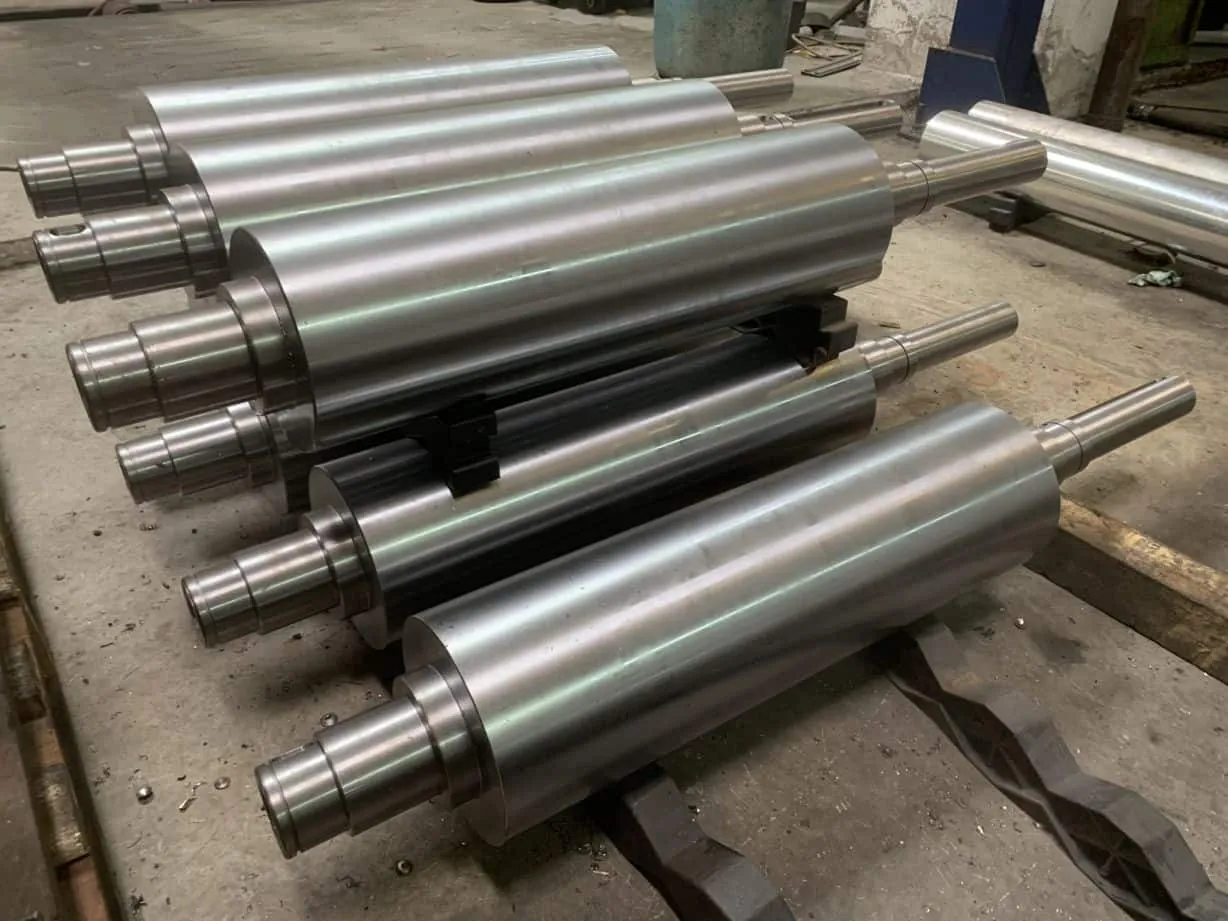
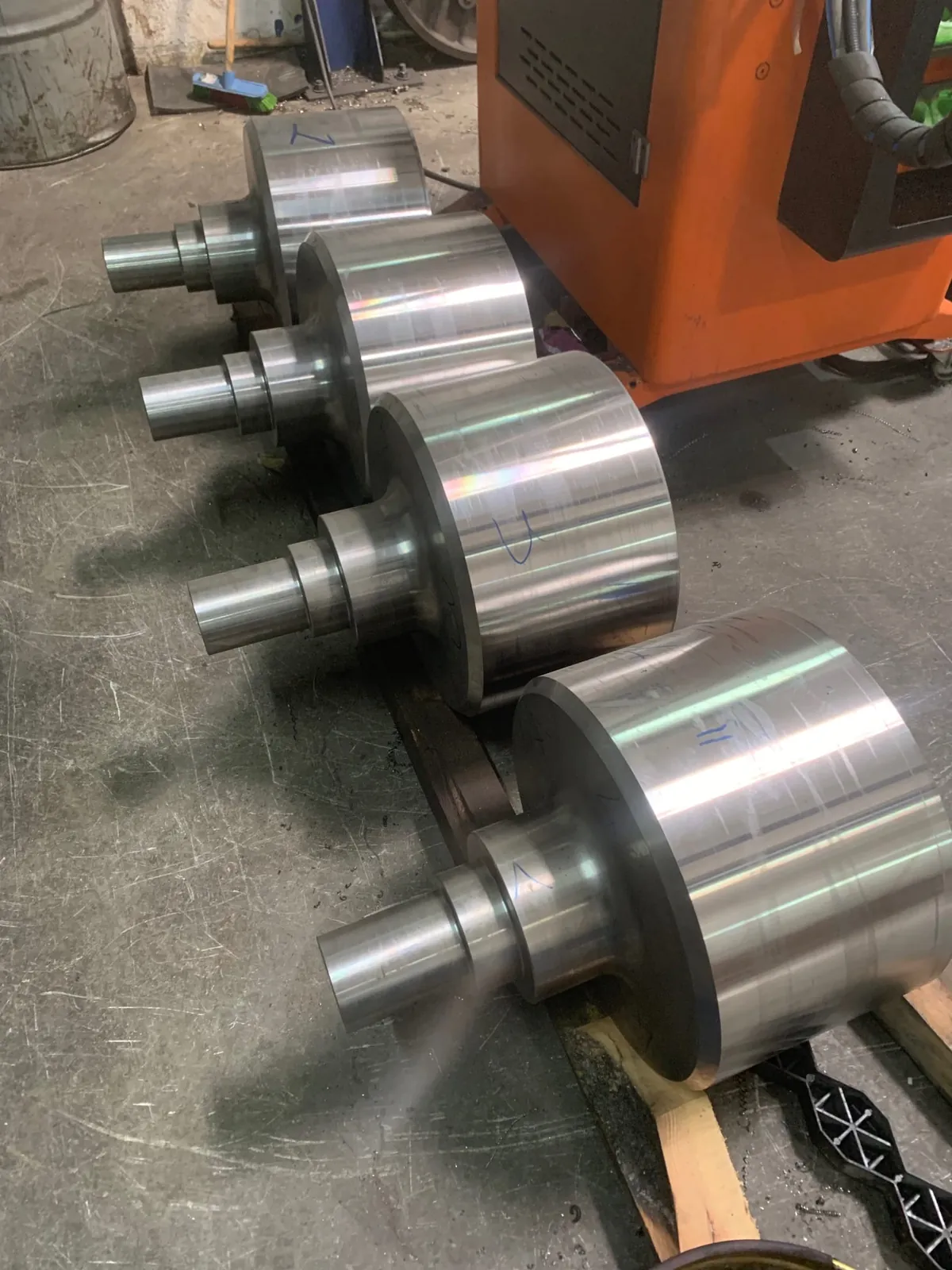
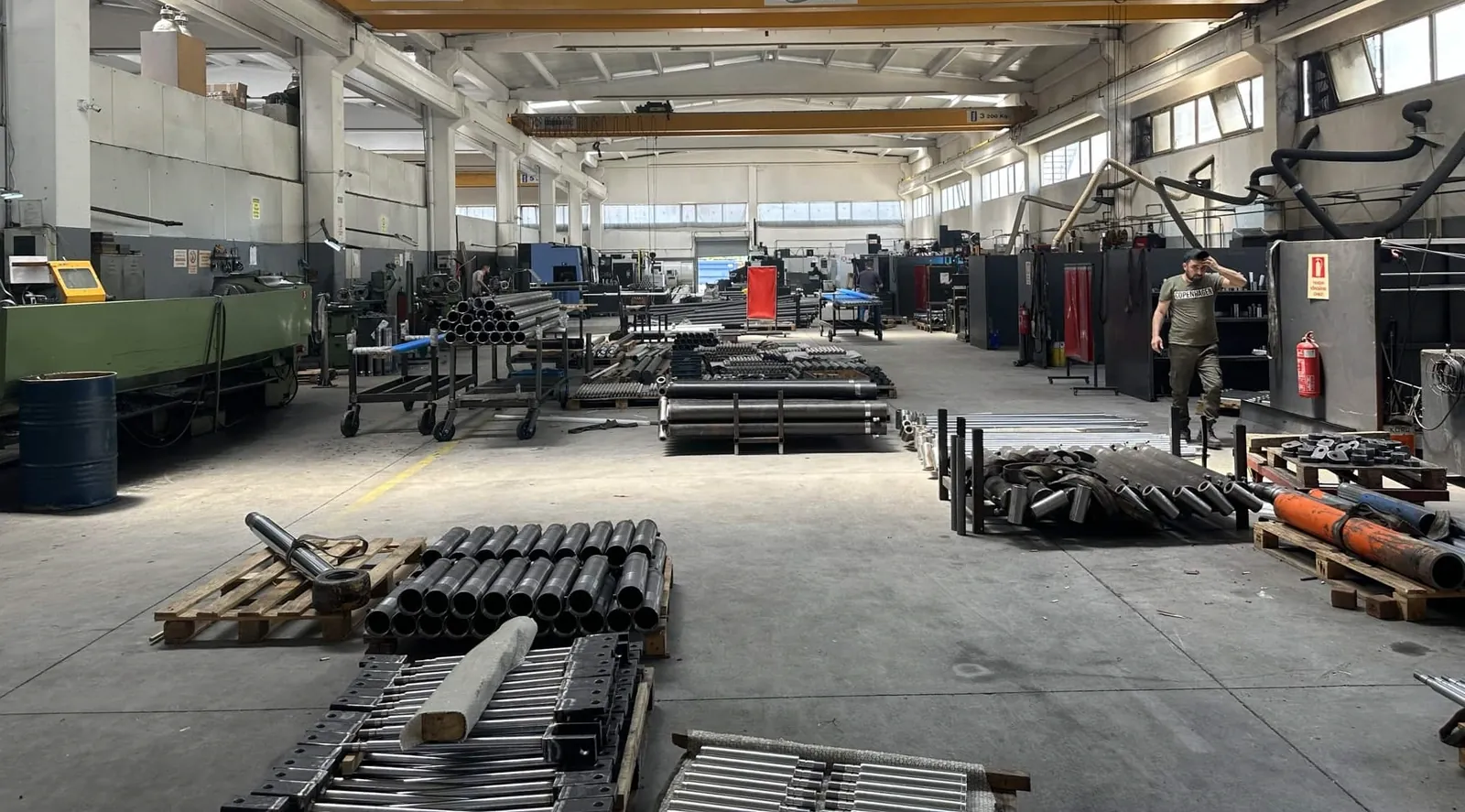
Rollers, Welded Parts and Series Production
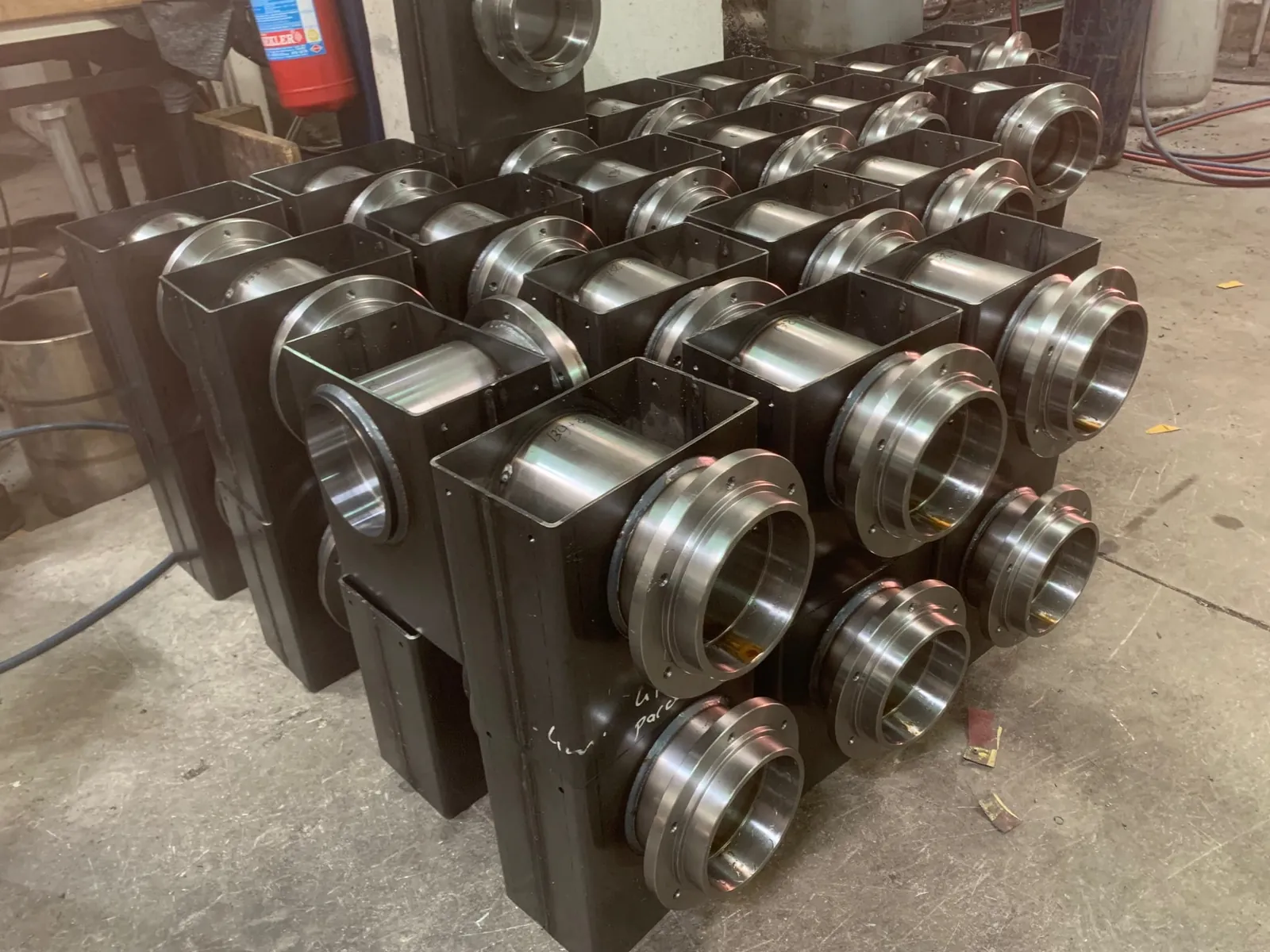
Idler Sets for Every Section of Your Conveyor
Troughing stations
Two-, three- or five-roll troughing sets that shape the loaded belt.
Return stations
Flat or V-return sets that support the empty belt on the way back.
Impact stations
Heavy frames with impact rollers under loading and transfer points.
Self-training stations
Pivoting sets that steer the belt back to centre.
Garland and special sets
Custom stations for special belt widths, angles and layouts.
Spare frames
Replacement frames matched to your existing conveyor.
Welded Frames Built Like Structural Steel
Idler frames carry the belt and the load on it for every metre of the conveyor. We cut, bend and weld them with the same certified procedures Nika Steelworks uses for structural steel: EN 1090 EXC3 and ISO 3834-2, with KUKA robot welding for repeat series.
- Frames from steel section or bent plate, laser-cut for accurate roller seats
- Robot welding for consistent welds across large batches
- Paint or hot-dip galvanizing for outdoor and port conveyors
- Delivered as frames only or complete with rollers, ready to bolt on
Conveyor Station Options
Send the belt width, troughing angle, roller diameter and length, and mounting details, or the drawing of your existing station.
| Station types | Troughing, return, impact, self-training, special |
|---|---|
| Fabrication | Laser cutting, bending, certified welding |
| Welding standard | EN 1090 EXC3, ISO 3834-2 |
| Surface | Painted or hot-dip galvanized |
| Supply | Frames only or complete with rollers |
| Quantities | Spares to series batches |
Questions About Conveyor Stations
Do you supply complete conveyor stations with rollers?
Yes. We supply idler frames alone or as complete stations with rollers fitted, ready to install.
Which station types do you make?
Troughing, return, impact, self-training, garland and special stations, to your drawing.
Can the frames be galvanized?
Yes. Frames are painted or hot-dip galvanized to your specification.
Can you match our existing stations?
Yes. Send the drawing or dimensions of your current station and we build matching frames.
Conveyor Stations From a Steel Fabricator and Roller Maker
A conveyor station is only as good as its weakest part: a frame that twists, a roller seat cut out of line, or a roller that seizes. Because we make both the welded frames and the conveyor rollers, the two fit together first time, and one supplier answers for the whole station.
Series production for new conveyors
For new conveyor projects, idler stations are ordered in hundreds. Laser cutting, robot welding and CNC-machined roller parts keep every station identical, so installation on site is fast. Behind this capacity is Nika Steelworks, our sister company for steel fabrication.
Spares for running conveyors
Maintenance teams can order spare frames and complete stations matched to their existing conveyor. Combine them with conveyor drums and pulleys for a complete conveyor component order. Send your station drawing through the contact page.
Troughing angle and belt support
Troughing stations hold the wing rollers at an angle, typically between 20° and 45°, so the belt forms a trough and carries more material without spillage. Steeper angles increase capacity but put more stress on the belt edges. Transition stations near pulleys use reduced angles so the belt can flatten gradually before it reaches the drum. When you order stations, specify the troughing angle, the roller diameter and length, the belt width and the spacing of the mounting holes on your stringers.
Impact and transition zones
Loading points need closer station spacing and impact rollers with rubber rings, or impact beds, to absorb the energy of falling material. Near head and tail pulleys, transition stations with stepped angles protect the belt from overstressing its edges. We build all of these from your drawing, so the frames fit your existing conveyor structure.
Packing and installation
Stations for new conveyors are packed by type and section, with rollers fitted or packed separately as you prefer, so installation crews can work through the conveyor without sorting parts on site. Frames come painted or galvanized, ready to bolt to the stringers.
Station spacing
Carrying stations are spaced closer together under heavy loads and at loading points, and further apart on long, lightly loaded runs. Return stations are spaced wider still. If you are replacing stations on an existing conveyor, keep the original spacing unless the load has changed.