Repair or Replace a Worn Roller?
A practical way to decide whether a worn roller, roll or conveyor drum should be refurbished or replaced, based on condition, cost and lead time.
In This Guide
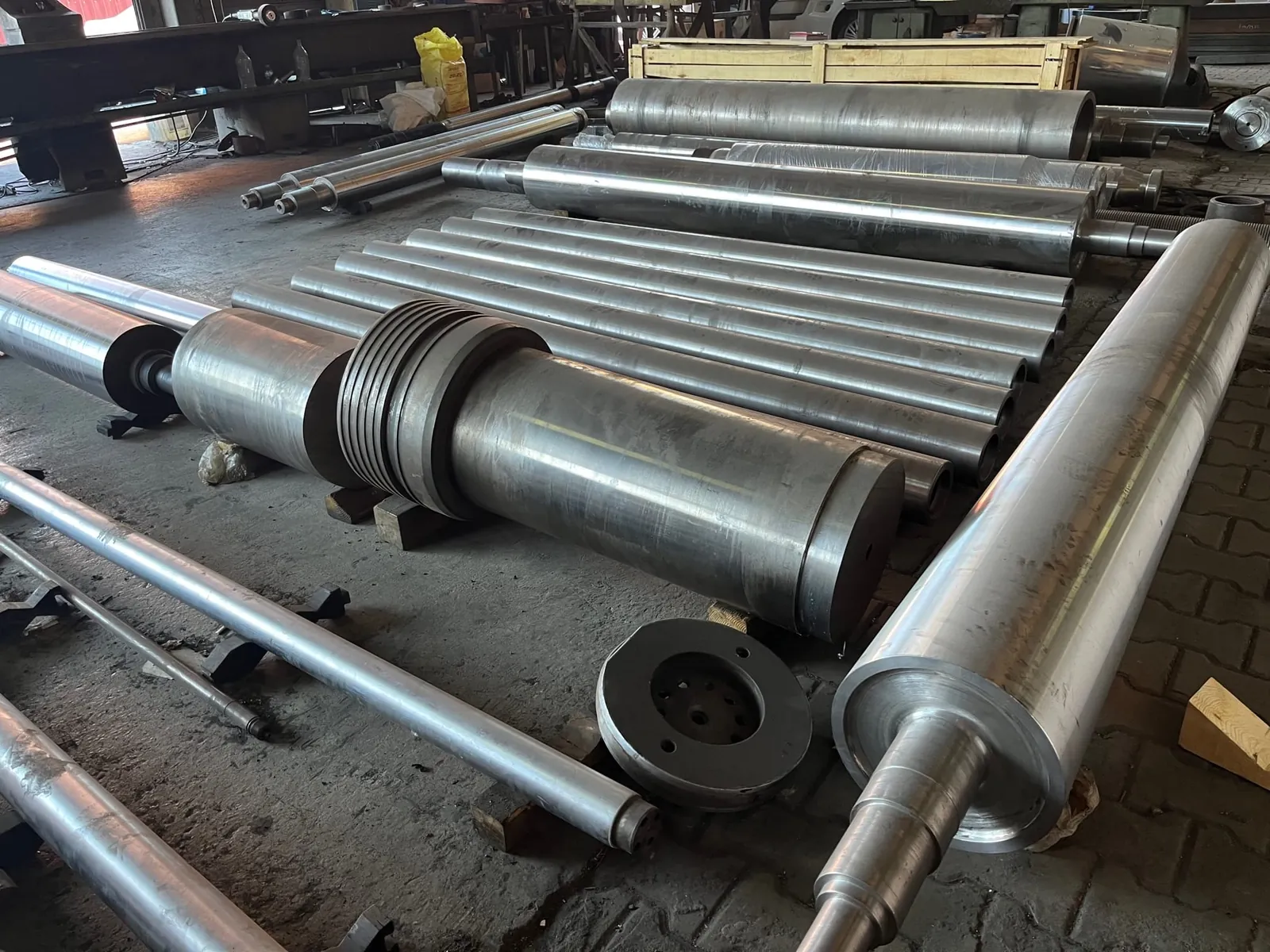
When a roller wears out, the first reaction is often to order a new one. But a large part of a roller's value is in its body and shell, which often outlast the surfaces that wear. Refurbishment restores those surfaces. The question is when repair is the better choice, and when it is not.
What usually wears
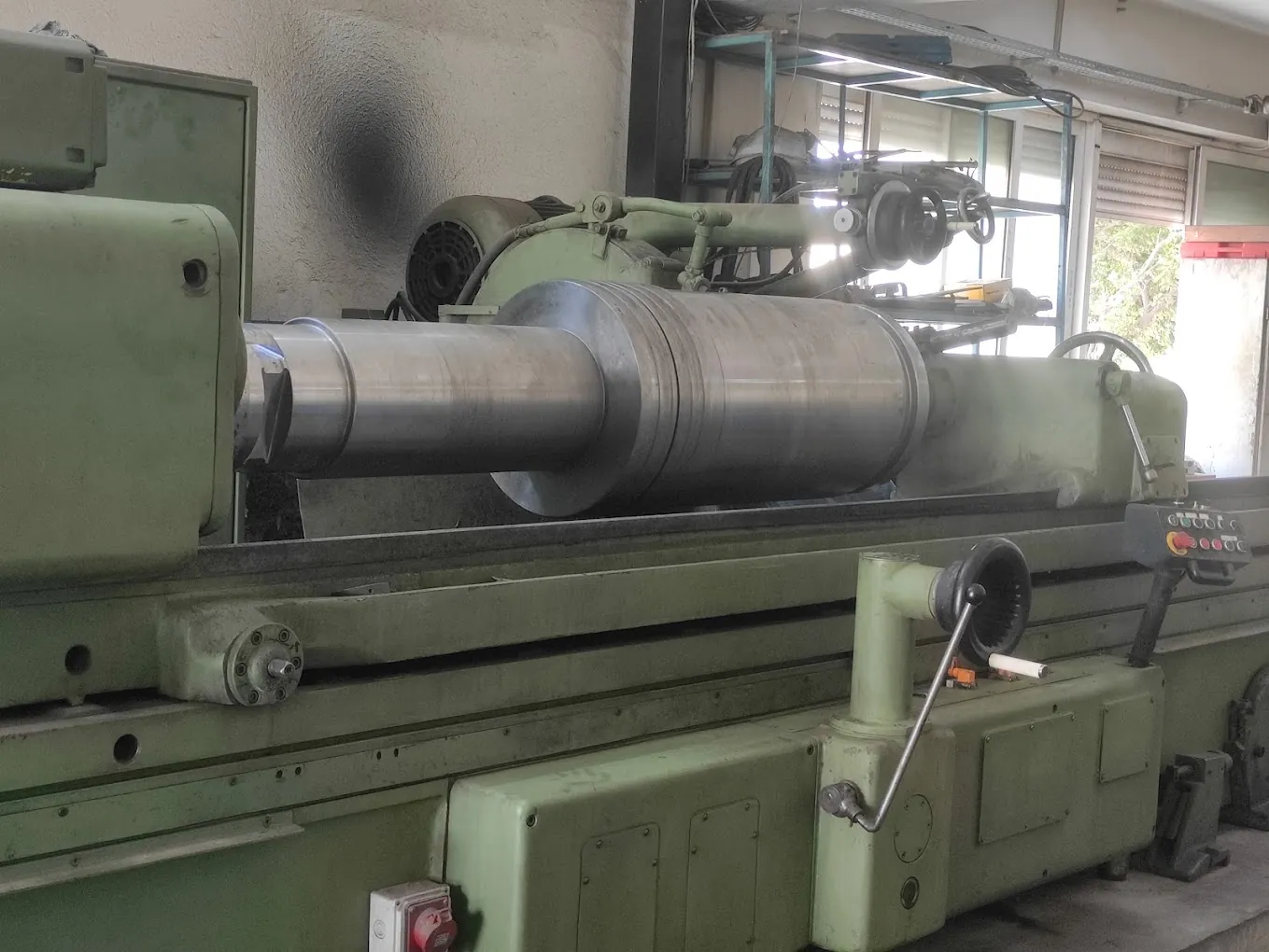
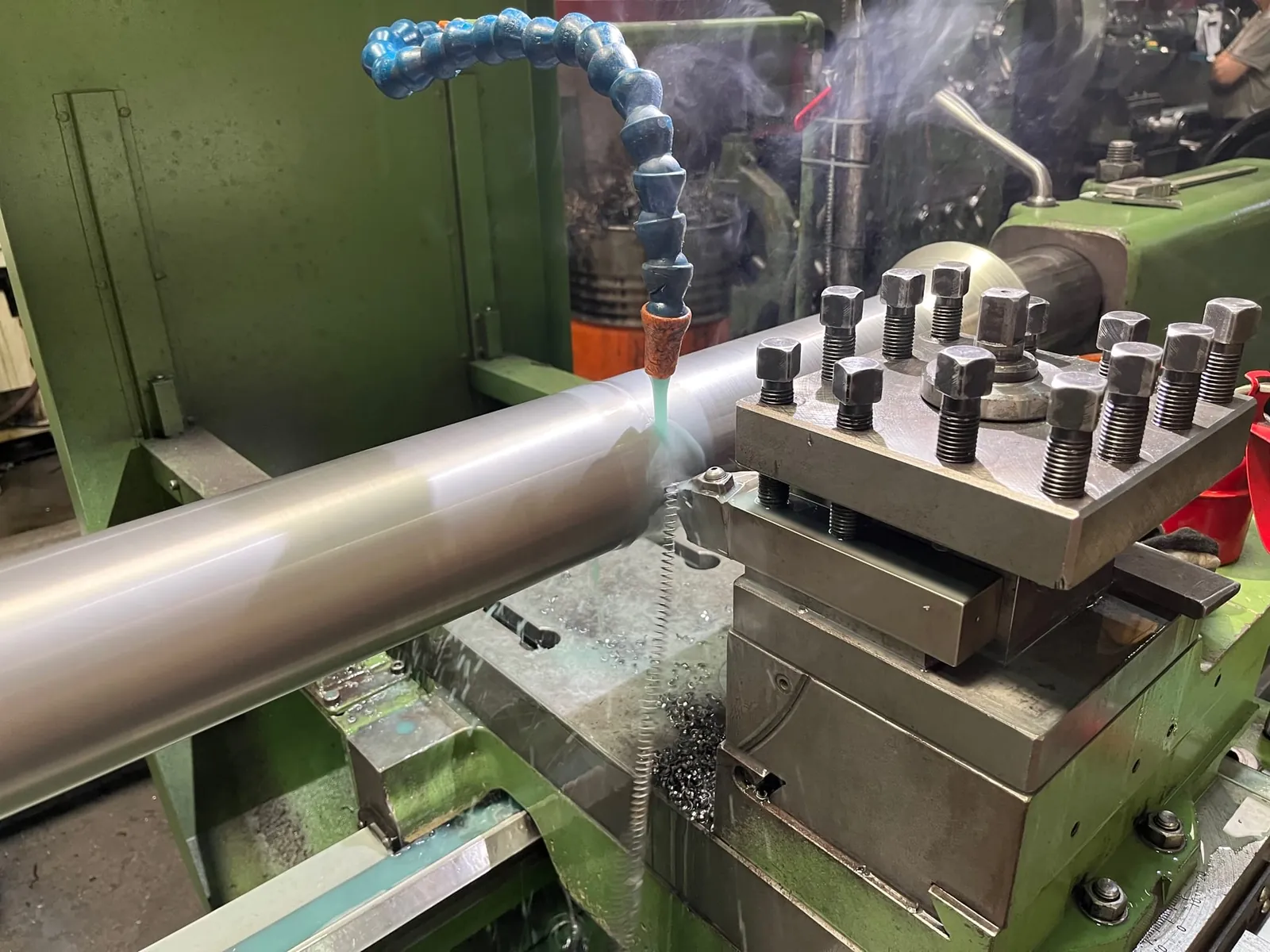
On most rollers, wear concentrates in a few places: the running surface (scoring, wear, loss of crown), the coating (worn or damaged chrome, rubber or lagging), the journals and bearing seats (fretting, wear from a failed bearing), and the balance, which changes as material is lost. All of these can be restored.
When repair makes sense
- The shell and body are sound, without through-cracks
- The shell wall still has enough thickness for regrinding
- The damage is on the surface, coating or journals
- A new roller has a long lead time or high cost
- The roller is special, large or no longer available
When replacement makes sense
- The shell is cracked through or deformed
- The shell wall is below its minimum thickness
- The roller has been repaired so often that little material is left
- The original design caused the failure and should be improved
- A standard roller is cheaper new than repaired
Cost and lead time
For large and special rolls, refurbishment typically costs a fraction of a new roll and takes less time, because the body already exists. For small standard rollers, such as conveyor idlers, the comparison often favours a new roller. A good supplier tells you honestly which applies to your roller.
How to get a fast assessment
Send photos of the whole roller and close-ups of the damaged areas and the shaft ends, the main dimensions, the drawing if you have it, and a short description of the failure. With this, a first assessment is possible before the roller is even shipped. After incoming inspection, the repair quote can be confirmed.
Keep a spare
For critical rollers, the best strategy is often one spare: while one roller runs, the other is refurbished. Repairs then never stop the line.
See roller repair and refurbishment and replacement rollers, or send photos of your roller.
A simple decision table
- Surface worn, shell sound: repair (regrind, rechrome or recover)
- Journal or bearing seat worn: repair (build-up welding and regrinding)
- Lagging worn, shell sound: repair (relag)
- Shell cracked through: replace
- Shell below minimum wall thickness: replace
- Repeated failures from the same cause: replace with an improved design
When in doubt, an inspection settles it. Repairs that turn out not to be worthwhile are quoted as new rollers instead.
Questions to ask before deciding
- How much material is left on the shell for regrinding?
- Is the failure caused by wear, or by the design or application?
- How long can the line run without this roller?
- Is a spare available while the roller is repaired?
- What is the lead time for a new roller from the original supplier?
Documenting each repair
Ask your repair supplier to report the finished diameter and the work done after each repair. Over time, this record shows how many more repairs a roller can take and when to plan its replacement, so you are never surprised by a roller that has no stock left.
Repair as an upgrade
A repair can also improve a roller: a harder chrome layer, ceramic instead of rubber lagging, or better sealing. If the roller failed early, use the repair to fix the cause, not just the symptom.